Industrial facilities running older material handling systems often face rising maintenance costs and unpredictable downtime. Choosing a comprehensive overhead crane modernization path allows operations to keep their existing structural steel while completely transforming operational performance. This strategic process breathes new life into aging workspace assets without the massive capital expenditure of a full system replacement.
Updating older machinery protects the safety of factory floor workers and significantly boosts daily throughput. Our team at World Hoist works closely with facility engineers to identify hidden bottlenecks in existing physical setups. Investing in targeted mechanical and structural updates helps businesses run more sustainable, cost-effective operations year after year.
Enhanced Safety Protocols for Workers
Precision Braking Control: Upgraded braking mechanisms provide responsive, reliable stopping power under full load conditions. This reduces the risk of load slippage or sudden drift during delicate positioning maneuvers.
Overload Protection Devices: Installing modern load-monitoring sensors prevents operators from lifting weights beyond the crane design limits. This electronic safeguard keeps structural components from experiencing catastrophic stress failures.
Advanced Limit Switches: Dual-stage limit sensors automatically slow down and stop traveling machinery as it nears runway ends. This reduces physical impact risks and prevents operator errors from causing severe structural damage.
Anti-Sway Software Integration: Smart control systems automatically calculate and adjust travel speeds to minimize load swing. Keeping the hook stable prevents dangerous collisions with nearby factory personnel and heavy equipment.
Optimizing Speed and Structural Motion
Variable Frequency Drives (VFDs): Electronic speed controllers allow smooth acceleration and deceleration curves for all travel motions. This soft-starting capability protects structural gears from experiencing high shock loads during sudden reversals.
Micro-Speed Creep Controls: Adding precise low-speed settings allows operators to position sensitive components with millimeter accuracy. This control is essential for heavy die-handling, turbine alignment, and delicate assembly tasks.
Improved Travel Alignment: Installing new guide wheels and end carriage drives prevents skewed traveling along older runway structures. Correct tracking reduces frictional resistance, meaning the drive motors draw less electrical current.
Shorter Cycle Times: Seamless speed transitions allow material handling operators to move loads quickly and confidently through the bay. This productivity boost directly translates to higher output for the entire production line.
Streamlining Critical Electrical and Electronic Systems
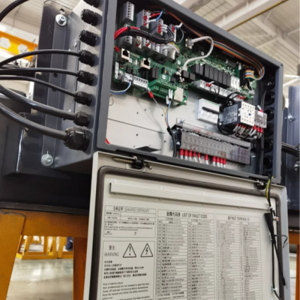
Integrated Circuit Technology: Modern setups combine multiple electrical functions onto specialized single-board architectures. This reduces the physical size of traditional, bulky control cabinets and simplifies troubleshooting steps.
Plug-and-Play Assembly: Pre-wired modular electrical connections make installation straightforward and minimize wiring mistakes during maintenance. This structural simplification means fewer loose connections can develop over years of vibration.
Ever Crane Hoist Control System: Our specialized team integrates this advanced control platform to power our hoists efficiently. By condensing multiple components, the Ever Crane Hoist Control System provides smooth, smart operations directly on-board.
Festoon System Upgrades: Replacing old open-bar conductors with enclosed cable track systems prevents power delivery interruptions. These flexible cable carriers shield power and communication lines from industrial dust and heat.
Realizing Long Term Maintenance Savings
Reduced Mechanical Wear: Smooth motor starts lower the stress placed on expensive gearboxes, drive shafts, and bridge wheels. This physical protection means wear-and-tear parts require less frequent replacement cycles.
Faster Diagnostic Inspections: Modern digital control platforms record fault histories and operational data for maintenance teams to review. Technicians can identify failing components quickly without conducting time-consuming manual tracing tests.
Sourced Replacement Parts: Finding parts for outdated machinery can take months, leaving critical equipment sitting idle. Implementing targeted crane system upgrades ensures that all replacement items remain readily available through standard supply channels.
Extended Structural Lifespan: Minimizing physical impacts and motor vibrations helps preserve the integrity of the main runway steel. This preservation delays the need for expensive structural rebuilding projects for several decades.
Upgrading Communication and Remote Controls
Wireless Radio Controllers: Moving operators away from hanging pendant cables allows them to choose the safest viewing angles. Wireless remotes give workers a clear line of sight around bulky loads.
Real-Time Load Displays: Digital screens mounted on the hook or the transmitter show exact load weights instantly. This feedback helps operators make informed decisions without guessing weight distributions.
Informed Smart Diagnostics: Electronic transmitters send warning signals to maintenance offices before components experience complete failure. This proactive monitoring lets teams schedule repairs during planned downtime hours instead of emergencies.
Multi-Crane Synchronization: Advanced wireless receivers allow one operator to control two separate overhead cranes simultaneously. This synchronized movement is essential for moving exceptionally long or heavy fabrications safely.
Environmental and Operational Adaptations
Energy Efficiency Gains: Modern variable-speed motors utilize regenerative braking technologies to return power to the facility grid. This lowers the overall carbon footprint of heavy industrial manufacturing processes.
Harsh Setting Protection: Special upgrades allow existing cranes to operate reliably in high-humidity or corrosive chemical environments. Using protective coatings and sealed enclosures prevents moisture from shorting out sensitive circuitry.
Explosion-Proof Retrofits: Chemical and gas facilities can modify existing lifting systems with spark-resistant parts. This specialized crane modernization pathway keeps older equipment compliant with strict hazardous-area safety standards.
Thermal Insulation Shields: Adding heat-deflecting plates protects electrical controls when working above hot metal furnaces. These simple physical shields prevent electronic components from overheating during continuous high-temperature duties.
Conclusion
Breathing new life into older material handling assets is a practical way to boost safety, control, and productivity. Investing in strategic structural and Electrical and Electronic Systems upgrades allows industrial sites to gain modern performance without purchasing entirely new machinery.
At World Hoist, we prioritize delivering modular, reliable components to simplify your system renewal process. Embracing these advanced technological changes in 2026 allows heavy industries to secure a highly efficient, compliant, and cost-effective operational future.