Continuous operation of industrial lifting machinery requires a proactive maintenance philosophy. Neglecting routine system checks can result in unexpected component failures, which halts production and compromises worker safety. Keeping a wire rope hoist in stable working order depends on executing daily preventative steps. By establishing clear inspection routines, facilities can keep their mechanical assets performing reliably under heavy workloads.
Minimizing wear on heavy-duty machinery parts protects your capital investment over decades of service. Our team at World Hoist gathers practical field observations to help facility managers implement systematic maintenance programs. Taking proper care of these systems reduces long-term operational expenses and secures a safer work environment.
Essential Friction Reduction Methods
Friction remains the primary source of mechanical wear in all traveling structural machinery. Applying high-performance grease to open gears, wheels, and shear pins prevents metal-on-metal contact. Regular overhead crane lubrication reduces thermal build-up during intense, repetitive shifting cycles.
Choosing the correct lubricant grade depends entirely on your specific workshop environment. Standard lithium-based greases work well for general indoor applications with moderate temperature swings. Our team advises checking grease ports weekly to keep protective barriers intact over moving joints.
Wire Rope Care and Monitoring
Lifting ropes undergo extreme tension and bending stresses during every material transfer. Regular visual inspections are necessary to detect broken wires, flattening, or corrosion along the drum path. Running a wire rope hoist with a damaged rope compromises safety and risks sudden structural failure.
Keeping the steel strands clean prevents abrasive particles from cutting into the inner core. Lubricating the rope core reduces internal friction as the individual wires slide past one another. Our engineering group at World Hoist recommends using specialized light oils that penetrate deep into the steel strands.
Understanding Structural Wear Indicators
Identifying physical deformations early is crucial for maintaining operational safety standards. Standard wear signs include birdcaging, kinking, and severe outer wire wear from contact with the drum grooves. Recognizing these warning signs tells maintenance technicians when a complete wire rope replacement is necessary.
Ignoring physical strand deterioration can cause the lifting line to snap unexpectedly under load. Safe operations depend on using precise calipers to measure any reduction in nominal rope diameter. Replacing worn lines before they reach critical limits keeps the material handling system compliant with regional safety laws.
Maintaining Specialized Lifting Units
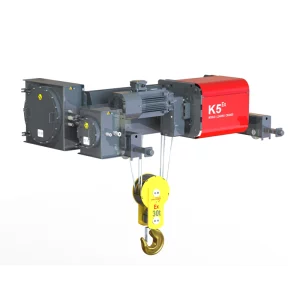
Industrial facilities operating in hazardous spaces require specialized protective machinery designs. Refineries and chemical plants often utilize an Explosion Proof Hoist to lift heavy materials safely without creating sparks. These systems utilize spark-resistant bronze hooks and gas-tight electrical enclosures to operate safely in hazardous Zone 1 and Zone 2 explosive atmospheres.
Our technicians at World Hoist design these specialized units to meet strict Ex dIIBT4 and Ex deIICT4 standards up to an eighty-ton capacity limit. Maintaining these heavy-duty systems requires checking the integrity of flameproof joint enclosures during routine service. Regular inspections of the sealed electrical components keep the hoist safe from triggering vapor ignitions.
Lubricant Selection and Environmental Factors
High temperatures and heavy airborne dust alter how lubricants perform in the field. Extremely hot environments require synthetic oils with high viscosity indices to prevent the protective film from thinning out. Applying standard overhead crane lubrication schedules without adjusting for heat can cause rapid gearbox wear.
Corrosive chemical environments also demand specialized grease formulations that resist water washout and acid exposure. Sealed bearings help keep external contaminants out of the rotating assemblies. Selecting the right protective lubricants keeps the machinery running smoothly despite challenging atmospheric conditions.
Systematic Replacement Procedures
Installing a new lifting rope requires careful preparation to prevent twisting or structural damage. Technicians must unspool the new line from the reel without creating loops or kinks in the strands. Forcing a twisted rope into service accelerates wear and ruins the spooling pattern on the drum.
Securing the end fittings with the proper torque value is essential for safety during a wire rope replacement. Following the manufacturer’s exact specifications prevents the rope from slipping under maximum rated capacities. Our technical specialists at World Hoist recommend performing multiple test lifts with test weights after completing any major rope service.
Conclusion
Developing a structured maintenance routine is the most effective way to protect industrial lifting equipment from early mechanical breakdown. Consistently managing overhead crane lubrication needs reduces structural strain and prevents costly component wear. Timely wire rope replacement practices safeguard operators from hazardous lifting failures.
At World Hoist, we focus on providing reliable parts and technical advice to keep your wire rope hoist operating at high utility. Investing in routine preventative care keeps your facility productive, compliant, and structurally sound for years to come.