Blog
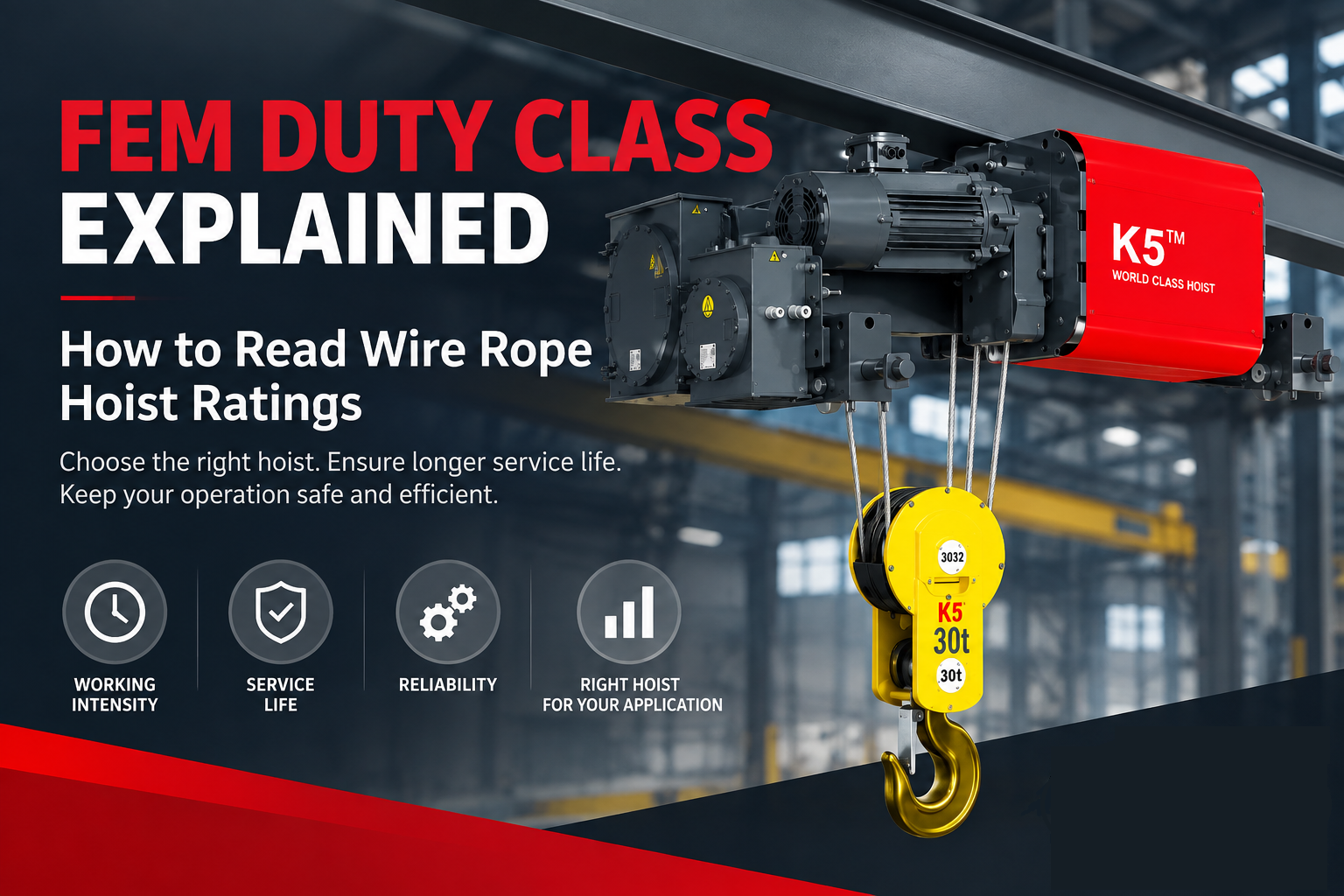
When selecting a wire rope hoist, many customers focus on lifting capacity, speed, and lifting height. However, these factors alone cannot determine whether a hoist

When selecting a wire rope hoist, many customers focus on lifting capacity, speed, and lifting height. However, these factors alone cannot determine whether a hoist
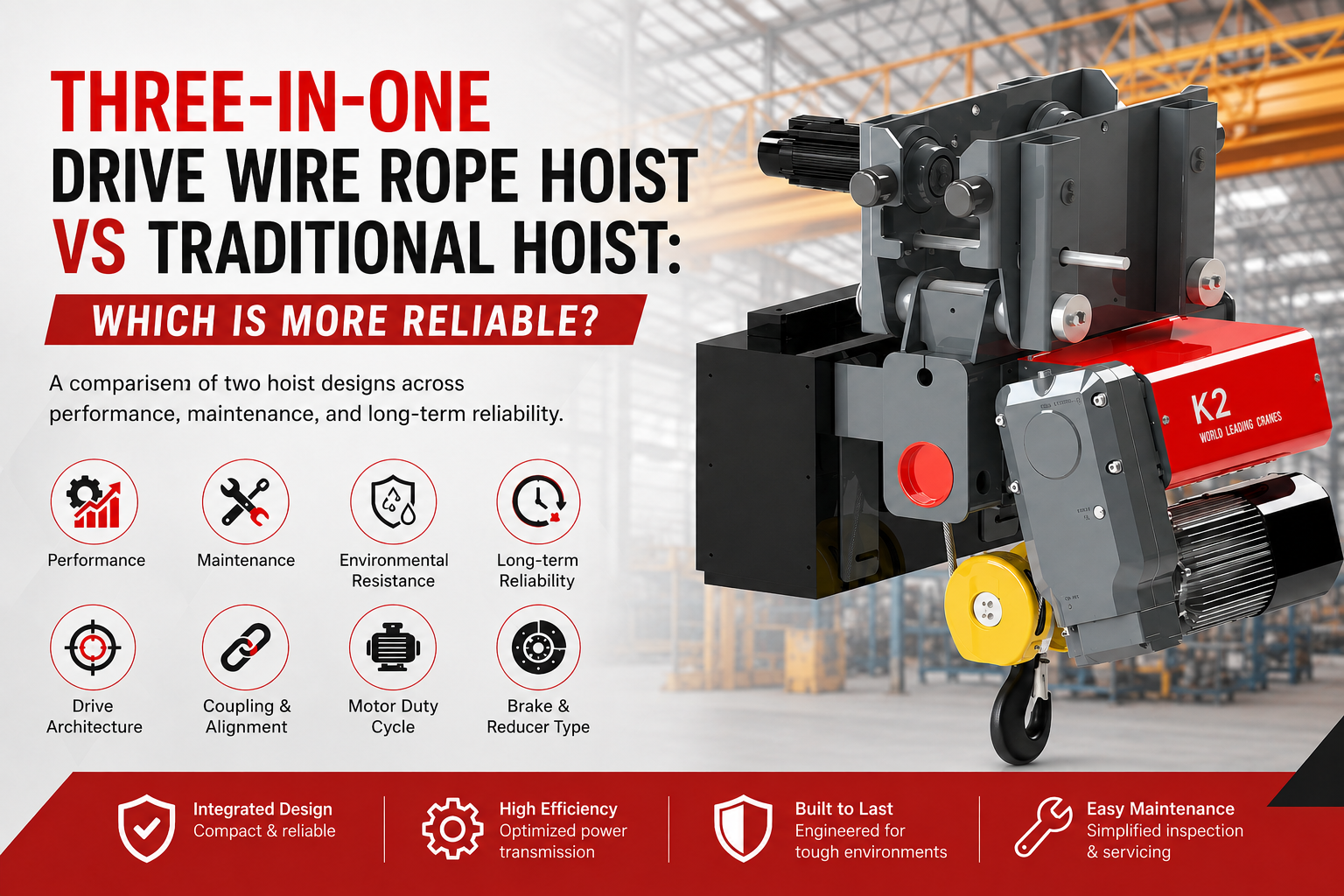
Hoist reliability depends not only on load capacity, but also on how the motor, gearbox, brake, and overall drive system are designed to work together.
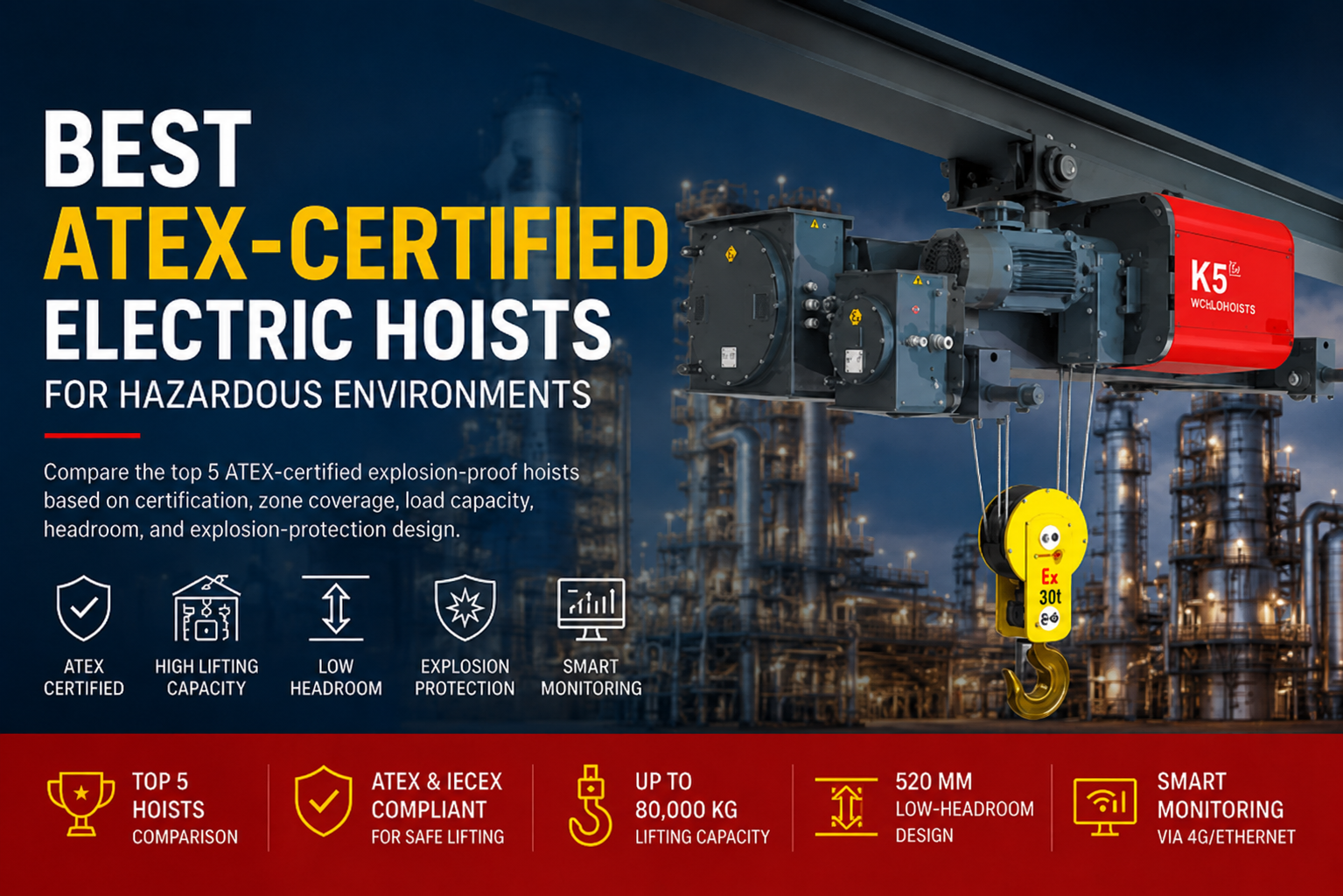
Explosion-proof hoists are essential for safe lifting in hazardous environments such as oil and gas facilities, chemical plants, mining sites, and power stations. This guide
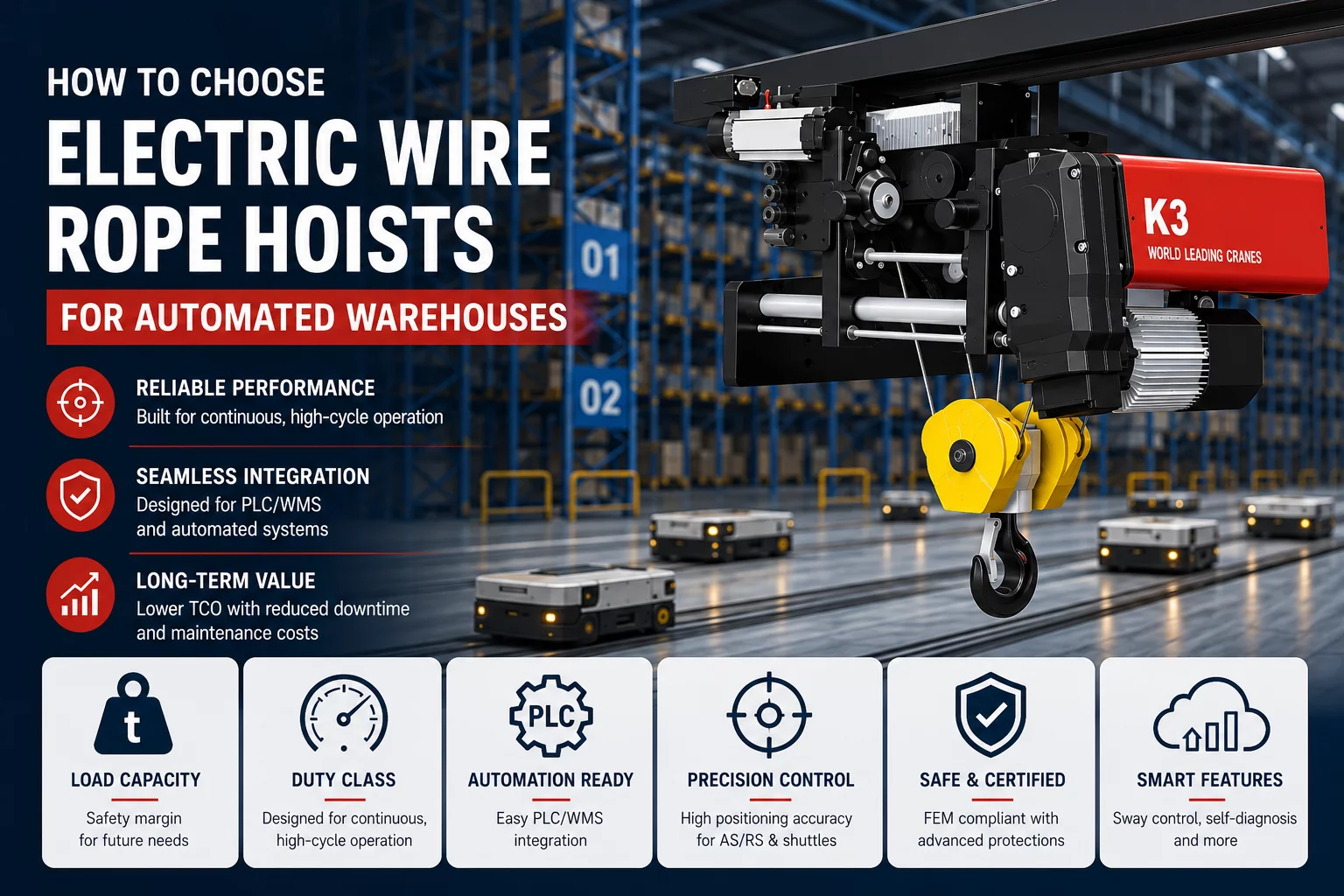
Automated warehouses put electric wire rope hoists through a very different workload than a typical workshop crane — continuous cycles, tight integration with AS/RS and
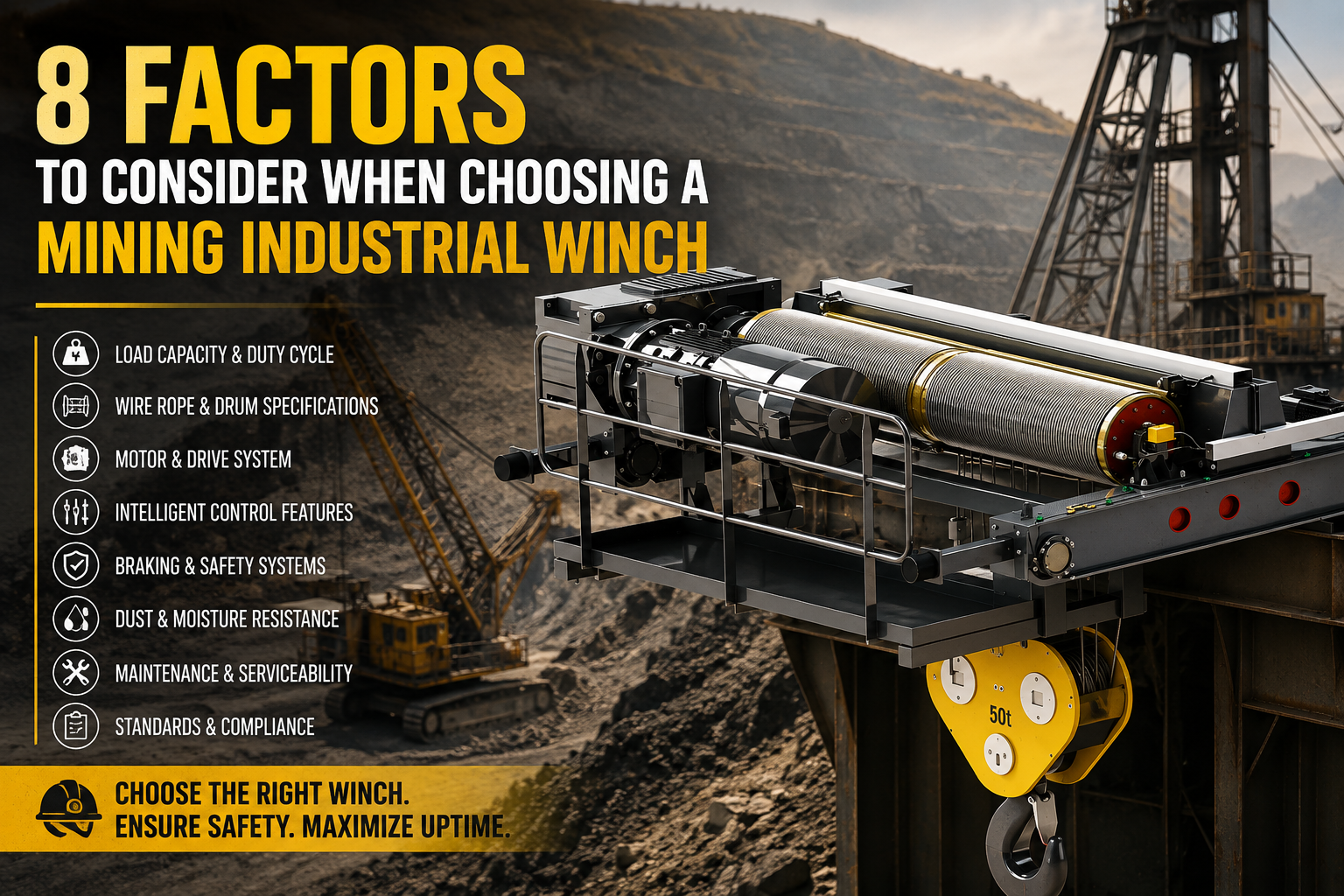
Mining sites push lifting and pulling equipment to its limits — continuous duty cycles, abrasive dust, high humidity, and zero tolerance for equipment failure. Choosing
Modern factories, warehouses, and workshops demand more from their lifting equipment than raw power. Precision errors cost time. Unexpected failures cost lives. As industrial operations
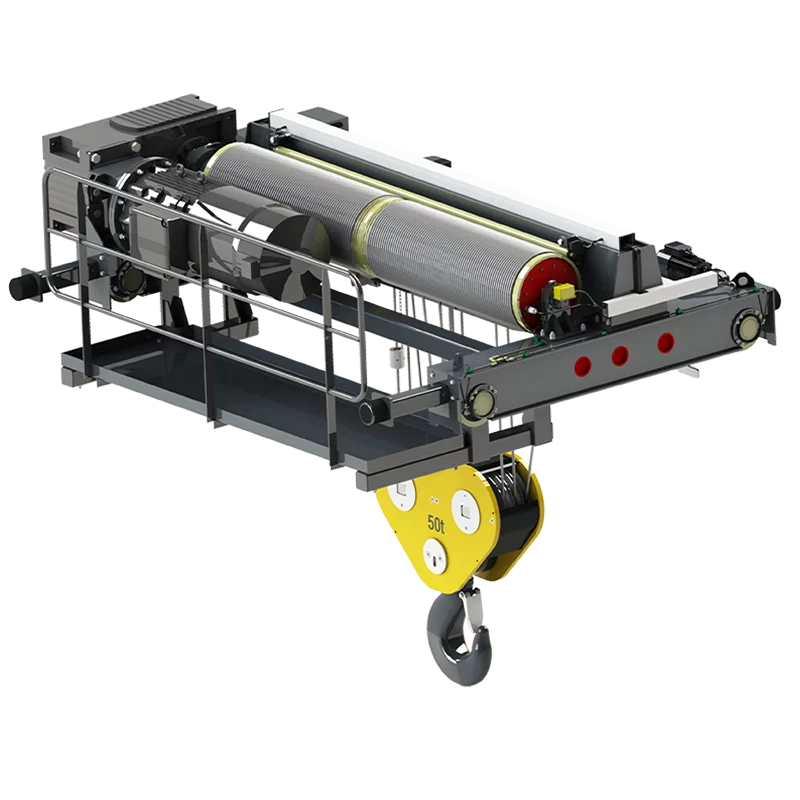
Industrial winches are designed to handle demanding tasks such as equipment positioning, material pulling, and auxiliary lifting in factories, ports, and mining sites. Unlike standard off-road
For heavy-duty lifting, an electric wire rope hoist is often your best choice for a material handling system. This guide explains when a wire rope electric hoist is
Electric hoists handle some of the most demanding lifting tasks in manufacturing, warehousing, and heavy industry. But what is actually happening inside that compact housing? For
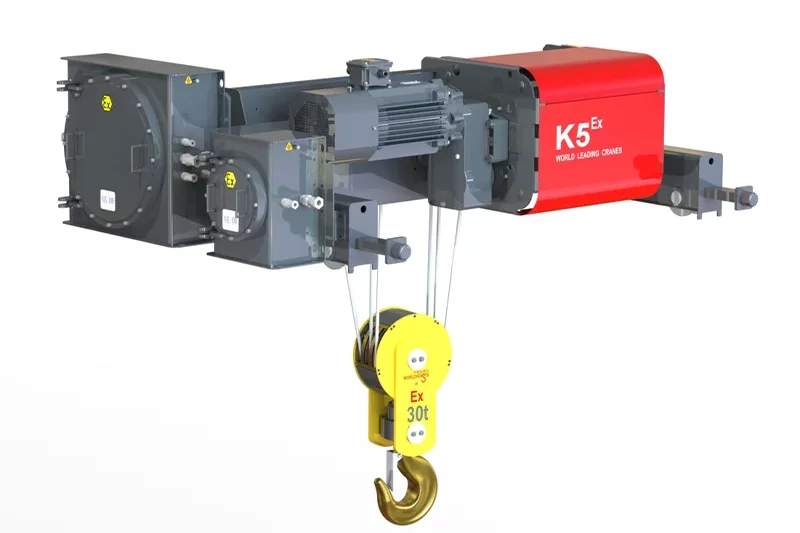
Lifting heavy loads is challenging enough. Doing so in environments with flammable gases, combustible dusts, or vapors demands specialized equipment. An explosion-proof hoist is an engineered
