Maintaining structural integrity and operational safety in busy industrial facilities requires a dedicated focus on preventive maintenance and regular mechanical evaluations. Performing a comprehensive crane inspection helps factory managers identify subtle wear and tear in structural components before they cause unscheduled downtime or safety hazards. Our engineering team at World Hoist works alongside facility safety officers to implement reliable diagnostic schedules that keep heavy lifting machinery working safely day in and day out.
Failing to spot minor mechanical misalignments can eventually lead to major component failures under heavy loads, which instantly halts factory operations. Transitioning to a proactive checking routine protects both your personnel and your high-value production machinery from preventable accidents. We focus on exploring the core principles of structural evaluation to help heavy industries maintain high safety standards.
Physical Stress and Wear on Overhead Girders
Operating heavy machinery continuously places immense physical stress on the structural welds and travel tracks of your bridge system. Over time, repeated lifting cycles can lead to micro-cracking in high-tension areas that are invisible to the naked eye. Conducting a regular overhead crane inspection allows technicians to use non-destructive testing methods to examine these critical load-bearing joints.
Physical track misalignment can also cause the crane bridge to crab or twist as it travels down the runway rails. This twisting motion puts extra wear on the wheel flanges and increases the lateral loads placed on your building’s support columns. Checking structural straightness regularly protects your facility from early structural fatigue.
Implementing Multi-Layered Safety Evaluations
Daily Pre-Shift Walks: Visual checks of wire ropes, hook latches, and control pendants before starting daily operations.
Periodic Operational Tests: Verifying the response of emergency stop buttons, limit switches, and automatic braking mechanisms.
Following a detailed crane safety inspection checklist helps operators detect simple wiring faults or fluid leaks before they cause operational failures. These daily and monthly evaluations are crucial for maintaining clean safety records in demanding heavy-industry facilities. Our specialists at World Hoist help design these clear safety protocols to match your specific plant layout.
Checking Vital Mechanical and Electrical Components
Continuous daily travel causes physical wear to accumulate on critical friction points like brake pads, wire ropes, and gear sheaves. If a brake pad wears too thin, the hoist may suffer from load drift, which compromises safety during delicate component placements. Measuring these wear components against engineering tolerances is a key focus of every industrial crane inspection routine.
Wire Rope Measurement: Checking for broken wires, kinking, or diameter reduction along the entire working length of the cable.
Electrical Contact Checks: Inspecting main contactors for pitting or arc damage to prevent single-phasing events in the motor.
Replacing worn parts during planned maintenance shut-downs is far more cost-effective than dealing with sudden emergency breakdowns. Utilizing durable, high-quality replacement parts protects your lifting machinery from rapid deterioration.
Complete Integrated Crane Upgrade Solutions
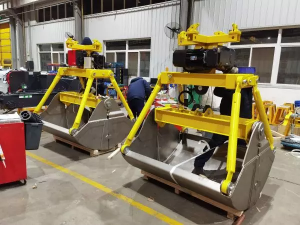
Optimizing your facility’s productivity often involves upgrading your old, worn-out lifting equipment to highly compatible modern configurations. Choosing matched Crane Kits & Lifting Attachments provides your maintenance team with fully compatible components that fit together seamlessly. This structural compatibility prevents mechanical binding and reduces overall wear on your traveling trolley systems.
We deliver comprehensive one-stop services, from initial physical design consultations to the final delivery of your upgrade components. Our modular crane kits are built to handle demanding lifting environments, making them ideal for complete workshop modernizations. Utilizing these pre-engineered sets simplifies on-site assembly and minimizes installation times on the shop floor.
Diagnostic Tools for Stator Windings and Hoists
Megohmmeter Testing: Measuring insulation resistance in the hoist motor to catch stator winding failures before a short circuit occurs.
Laser Alignment Tools: Verifying the straightness of the long runway rails to prevent wheel binding and excessive energy consumption.
Utilizing specialized diagnostic tools during an industrial crane inspection provides highly precise data on the health of your equipment. This advanced testing removes the guesswork from maintenance planning, letting your team target their repair efforts where they are needed most. Regular testing keeps your physical assets performing reliably over decades of intensive service.
Documenting Equipment History for Regulatory Compliance
Detailed Logbooks: Recording every adjustment, part replacement, and inspection result to build a complete machinery history.
Actionable Repair Lists: Prioritizing identified wear items to ensure critical safety repairs are completed before the machine returns to service.
Maintaining clear, organized documentation is a core part of any successful crane safety inspection program. Having a detailed history of your machinery’s condition helps safety managers prove compliance with national industrial regulations during audits. These organized records also help your maintenance team predict when major components will need replacement.
Maintaining Precise Alignment in Travel Tracks
Over time, building settling and heavy building vibration can cause runway support columns to shift slightly out of alignment. If the runway tracks are not perfectly parallel, the crane will experience high rolling resistance and increased wear on its wheels. Performing a detailed overhead crane inspection should always include checking the spans and elevations of your long runway rails.
Using laser distance meters allows technicians to detect microscopic track movements and correct them before they damage your end carriages. Keeping the travel path straight ensures that your travel drives operate efficiently with low energy use. This physical alignment support keeps your heavy logistics flowing safely and smoothly.
Conclusion
Structuring a reliable material handling facility requires a continuous commitment to safety checks and robust mechanical components. Implementing a systematic crane inspection routine protects your workspace from unexpected downtime and keeps your workflows running predictably.
Our team is dedicated to providing durable lifting accessories, modular components, and clear technical guidance to support your factory goals. By keeping up with regular safety checks and upgrading with reliable Crane Kits & Lifting Attachments, businesses can secure a safe, highly efficient, and productive operational future.