Selecting the right power source for machinery that constantly starts, stops, and reverses requires a deep understanding of thermal dissipation and mechanical inertia. Standard electric motors are engineered for continuous running, which means they can quickly overheat when subjected to the rapid, repetitive cycles of a packaging line or crane hoist. Utilizing a highly resilient intermittent duty motor industrial setup prevents these thermal spikes by allowing the internal windings to cool down during programmed rest periods. Our team at World Hoist works alongside system designers to analyze these operational profiles and select the most reliable propulsion technologies for heavy machinery.
If an industrial drive is improperly matched to its cyclic workload, the winding insulation will degrade prematurely, leading to ground faults and unexpected plant shutdowns. Correctly balancing the active run time with the standby cool-down period is the most effective way to prolong equipment life. We focus on exploring the physics behind cyclic motor operation to help facilities improve their system reliability.
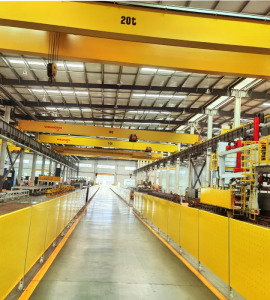
Understanding Cyclic Workloads and Thermal Physics
Repetitive stop-start operations place extreme electrical and thermal stress on a motor’s internal copper windings. Every time an AC motor starts up from a complete standstill, it draws inrush current that can be five to eight times higher than its normal running current. This massive surge of current generates rapid heat buildup within the stator coils, which must be dissipated before the next cycle begins.
If the resting interval is too short, the residual heat will accumulate progressively with each subsequent startup. This thermal accumulation represents the primary cause of electrical winding insulation failure in modern industrial plants. Designing the machinery with sufficient thermal mass and heat dissipation paths prevents these destructive temperature spikes from occurring.
Calculating Operational Time Limits
Relative Duty Cycle: This percentage represents the ratio of active running time under load to the total cycle time, including rest periods.
Thermal Time Constant: This physical value dictates how quickly a specific motor frame transfers heat from the windings to the surrounding air.
Consulting a comprehensive duty cycle motor selection guide helps engineers determine the precise boundaries of cyclic operation. Standardized ratings like S3 or S4 indicate how a motor handles periodic starting sequences without suffering thermal breakdown. Our technical support team at World Hoist assists partners in deciphering these complex duty parameters to avoid under-specifying their drive systems.
Selecting Drives for Cyclic Packaging Lines
Rapid Speed Changes: Moving index conveyors precisely requires drives that can accelerate and decelerate heavy loads in fractions of a second.
Responsive Holding Brakes: Integrated electromagnetic brakes hold the load in place the instant the power is cut, preventing drift.
Using a dedicated motor for intermittent motion machine designs allows automated packaging systems to run continuously without stopping for thermal recovery. These specialty drives feature reinforced winding brackets and high-grade insulation to handle the dynamic shock forces of rapid acceleration. Selecting these durable, high-response units keeps your assembly lines operating predictably and smoothly.
Advanced Dynamics of Repetitive Operations
Variable Frequency Controls: Modulating the input frequency allows for smooth acceleration ramps, reducing the initial starting current spike.
Forced Ventilation Fans: Utilizing independent cooling fans that run continuously, even when the main motor is resting, accelerates heat dissipation.
Deploying a robust industrial motor intermittent operation setup ensures that high-frequency travel carriages maintain their starting torque throughout a long shift. These systems are specifically designed to resist the mechanical vibrations associated with frequent braking and reversing. Utilizing these advanced cooling and control methods keeps your active machinery performing efficiently under demanding conditions.
Upgrading to Modular Gearbox Drives
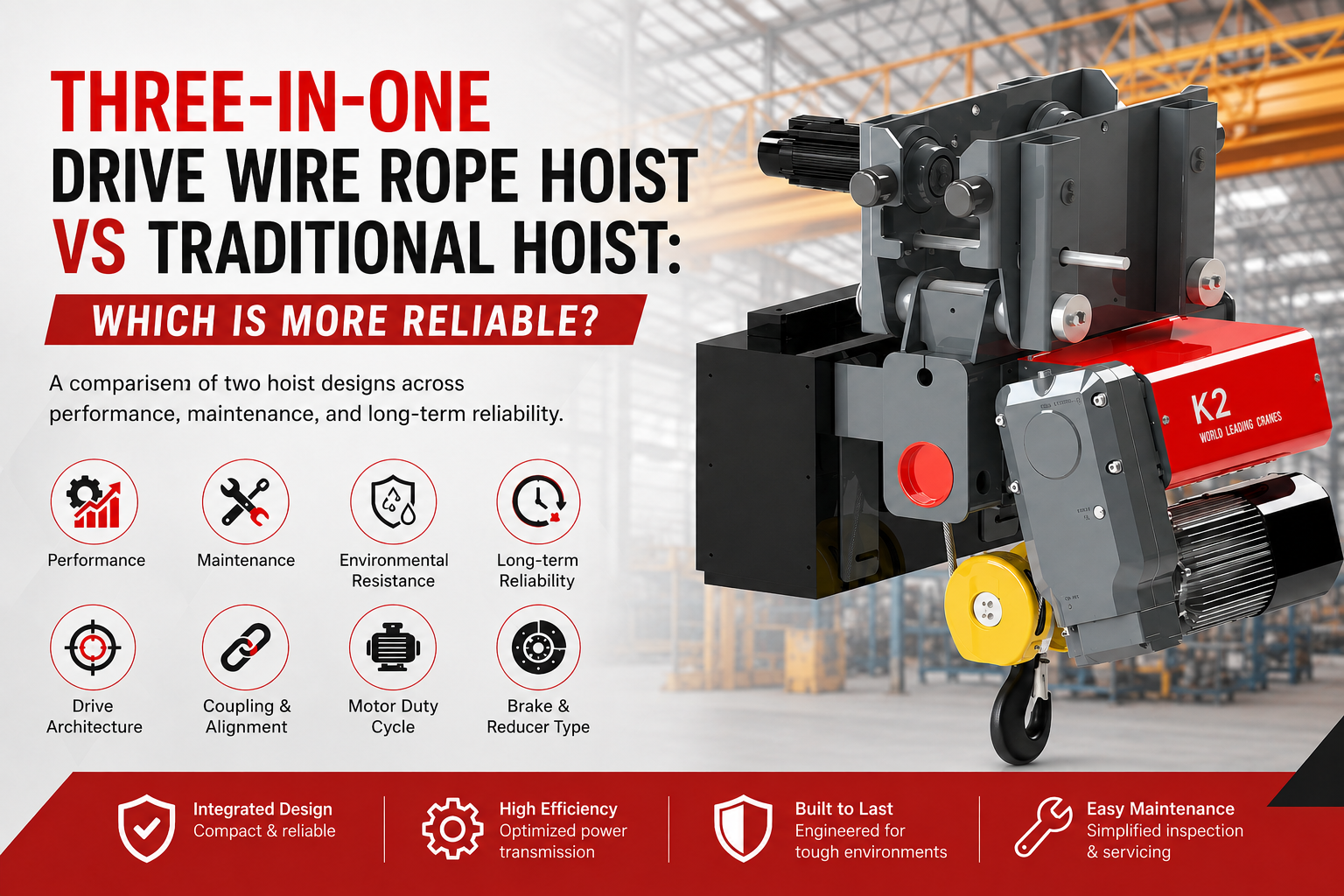
Integrating heavy-duty, modular drive trains directly into your traveling systems simplifies physical maintenance and improves energy transfer. Our custom gearmotor configurations are engineered with a modular design to offer flexible compatibility with various crane and machinery layouts. These compact units incorporate the motor, brake, and gearbox into a single housing, reducing the space needed for installation.
All travel drives utilize variable frequency speed control to smooth out starting vibrations and minimize mechanical strain on the structural frame. Featuring a heavy-duty design with a sixty percent ED duty cycle, each integrated gearmotor handles intense, repetitive working scenarios without overheating. Selecting these robust, pre-tested drives keeps your plant’s traveling systems operating reliably.
Mitigating Risk in Cyclic Material Handling
Conducting a thorough duty cycle motor selection guide assessment is crucial before installing machinery in dusty, hot, or humid manufacturing areas. High ambient temperatures degrade a motor’s ability to shed heat, effectively reducing its rated relative duty cycle. Installing additional temperature sensors within the stator windings provides an early warning system to alert operators before critical thermal thresholds are reached.
Using a high-performance intermittent duty motor industrial model designed for harsh conditions prevents early bearing wear and structural misalignment. These robust motors feature high-grade synthetic grease and double-sealed bearings to resist contaminants and vibration. Keeping the electrical supply balanced and clean prevents voltage spikes from adding extra thermal stress to your active drives.
Optimizing Travel Path Efficiency
Automated Slowdowns: Programming the travel controller to decelerate the carriage gradually reduces the heating energy of dynamic braking.
Optimized Work Cycles: Coordinating the sequence of movement to allow the motor sufficient rest time between demanding transport tasks.
Implementing a smart industrial motor intermittent operation plan improves overall plant throughput while reducing energy consumption. These balanced systems prevent operators from pushing the machinery past its safe thermal limits, avoiding sudden, expensive shutdowns. Choosing a matched motor for intermittent motion machine setups helps facilities maintain consistent production speeds without sacrificing equipment longevity.
Conclusion
Maximizing the operational life of cyclic industrial machinery requires a careful analysis of startup currents, heat dissipation, and mechanical stress. Properly calculating duty cycles and monitoring thermal levels protects your active electric drives from early winding failures.
At our team, we focus on delivering high-efficiency hoist components, modular travel drives, and comprehensive technical support to keep your facility running smoothly. By selecting the correct motor specifications and utilizing advanced electronic controls, businesses can secure a safe, reliable, and highly productive manufacturing future.