Selecting the right driving force for industrial moving equipment involves calculating exact torque, speed, and environmental duty cycles. Many automated warehouses suffer from frequent electrical trips because they did not conduct proper motor sizing for material handling equipment during the initial integration phase. Our engineering team at World Hoist assists plants in matching raw motor power with the actual physical demands of their unique facility layouts.
An underpowered drive unit will overheat under continuous strain, whereas an oversized motor wastes valuable energy and increases structural installation costs. Finding the middle ground requires evaluating the mechanical friction, acceleration rates, and duty cycles of each specific station. We focus on exploring these physical calculation principles to help maintenance crews build highly reliable material handling systems.
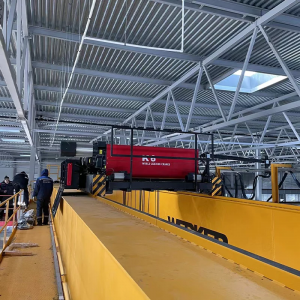
Physics of Motor Sizing for Material Handling
Calculating the correct mechanical output requires assessing both static friction and dynamic acceleration forces of your payload. The motor must generate enough starting torque to overcome inertia without causing sudden jerks that could destabilize the load. Accurate motor sizing in material handling applications prevents slippage in the transmission components and guarantees smooth speed changes during operation.
System designers must also evaluate how continuous operating cycles affect the thermal limits of the copper windings. If a motor runs constantly without adequate cooling periods, the internal insulation will slowly degrade over time. Properly balancing these physical demands ensures that your automated lines run steadily through every shift.
Powering Automated End-of-Line Systems
High-Frequency Startups: Palletizing systems require rapid start-and-stop cycles to handle stacked products coming off fast conveyor lines.
Precise Brake Controls: Quick-acting brakes prevent the carriage from drifting, maintaining tight tolerances during stack placement.
Integrating a high-efficiency crane motor for palletizer setups helps facilities keep up with demanding packaging speeds. These dedicated motors are wound specifically to handle rapid acceleration without experiencing thermal overload. Our team at World Hoist provides robust, responsive drives designed to support these high-speed automated packaging lines.
Calculating Force for Tipping Mechanisms
Overcoming gravity during heavy tilting operations requires immense mechanical torque concentrated at the pivot point of the machinery. Determining the exact tipper motor power requirement involves calculating the shifting center of mass as the payload tilts. If the motor lacks sufficient torque at the maximum tilt angle, the entire mechanism can stall mid-cycle.
Dynamic Torque Curves: Ensuring the drive motor delivers consistent power even as the physical load angle changes.
Overload Safety Margins: Sizing the electrical system to handle unexpected shifts in material weight safely.
Evaluating your specific tipper motor power requirement prevents mechanical binding and protects the structural frame from excessive twisting forces. Using high-torque, slow-speed gearboxes helps distribute these physical forces evenly, ensuring controlled and reliable tipping cycles.
Managing Rotational Inertia in Industrial Turners
Consistent Angular Velocity: Preventing speed variations that could cause heavy, asymmetrical parts to slide off the rotating platform.
Dual-Direction Control: Allowing for smooth clockwise and counter-clockwise rotation to position heavy assemblies accurately.
Making an informed rotator motor selection industrial decision prevents premature gear wear and keeps heavy turners moving smoothly. These rotating systems require robust bearings and strong, low-vibration motors to handle off-center loads safely. Our technical support specialists assist facilities in choosing the right rotational drives to handle these unique physical forces.
Sourcing Durable High-Performance Hoisting Units
Heavy-duty lifting operations require rugged hoisting units that deliver outstanding performance under intense physical stress. Our versatile K Series and H Series wire rope hoists feature a low headroom design with high energy efficiency, making them ideal for single girder cranes and workshop upgrades. These models offer lifting capacities from 0.8 t to 80 t, lifting heights up to 90 meters, and duty classes ranging from M4 to M6.
Pairing these robust hoists with high-durability crane components prevents unexpected breakdowns and keeps your workflows moving safely. From high-tensile wire ropes and precision drums to responsive limit switches, every part is engineered to withstand demanding industrial environments. Choosing pre-tested, high-quality components protects your capital machinery investments.
Engineering Responsive Control Panels
Variable Frequency Speed Control: Adjusting electrical frequencies to smooth out starting vibrations and minimize mechanical stress.
Thermal Sensors: Monitoring stator temperatures in real-time to alert maintenance teams before a motor reaches critical heat levels.
Upgrading your electrical panels with compatible crane components ensures your drive motors receive clean, balanced power during busy shifts. These control systems help protect a high-speed crane motor for palletizer from voltage spikes and single-phasing events. Keeping your electrical controls maintained prevents unexpected system stalls and keeps production moving predictably.
Selecting Practical Drive Train Systems
Making the right rotator motor selection industrial setup requires analyzing your specific plant layout and spatial limits. Installing an oversized motor leads to higher initial electrical expenses and can overstress your mechanical linkages during startup. Selecting matched, compact motor and gearbox assemblies ensures your workstations remain fast, reliable, and energy-efficient.
Our experienced engineers assist plants in reviewing their physical material flow to select the most efficient electrical drives. We help you integrate these high-torque motors with your active conveyors to streamline your material handling paths. This professional planning ensures your facility operates smoothly without experiencing unexpected mechanical delays.
Conclusion
For a high-performance material handling system, your electrical drives must be precisely matched to on-the-ground operating conditions. Investing time in accurate motor sizing pays off by reducing thermal overload risks and minimizing premature component failure.
At our company, we are committed to providing modular wire rope hoists and robust, variable-speed travel drives to support your facility layouts. By choosing the right driving power and maintaining reliable components, businesses can secure a safe, efficient, and highly profitable manufacturing future.