Configuring localized workstations for rapid assembly requires a careful balance of structural agility and steady load handling. Installing a dedicated overhead crane under 2 tons capacity allows manufacturing facilities to transfer machined components effortlessly without occupying valuable floor space with heavy forklifts. Our engineering team at World Hoist works with plant managers to design these highly versatile, low-capacity systems that keep the daily production flow organized.
Large, heavy-duty overhead cranes are often too slow and bulky to handle small assembly components quickly. Shifting to lighter, more responsive tracks prevents physical delays, allowing operators to position parts with high precision. We focus on exploring the structural mechanics and safety features that make low-capacity material transport reliable and efficient.
Physical Dynamics of Light Load Workstations
Moving loads under two tons requires a mechanical structure designed to minimize physical friction and starting inertia. Traditional heavy cranes have a high deadweight, which means operators must exert substantial force just to push the bridge beam. Utilizing lightweight enclosed tracks resolves this physical resistance, allowing for effortless manual movement along the runway.
Reducing the energy required to move the crane protects operators from fatigue and physical strain during high-frequency shifts. When the structural deadweight is balanced correctly, the trolley slides smoothly along the girder without jerking. This balanced physical design makes lightweight overhead configurations highly practical for modern high-precision workstations.
Optimizing Workstation Space and Headroom
Enclosed Track Bridges: Protecting the trolley wheels from dust buildup to ensure smooth, quiet rolling performance along the entire beam.
Wall-Mounted Jib Designs: Utilizing existing building columns to support the lifting system, keeping the floor area completely clear.
Deploying a custom light capacity crane lifting system is an effective way to gain vertical lift capabilities in cramped workshops. These compact systems fit easily below existing ceiling trusses, making them ideal for facilities with restricted height limits. Our technical group at World Hoist designs these space-saving layouts to maximize the usable work zone for your team.
Sourcing Durable Mechanical Hardware
Operating continuous daily production shifts requires selecting high-durability crane components that resist wear and tear. Small-capacity systems rely on precise alignments, meaning even minor track wear can increase physical pushing resistance. Upgrading to self-lubricating trolley wheels and wear-resistant wire ropes keeps your lightweight system operating smoothly.
Sealed Ball Bearings: Preventing fine industrial dust from entering the wheel housings, which keeps the rolling resistance low.
Polyester Webbing Slings: Providing a soft, flexible connection to lift delicate or polished components without scratching surfaces.
Investing in high-quality crane components prevents unexpected workstation shutdowns and reduces your ongoing maintenance needs. We focus on providing fully matched hardware packages designed to handle repetitive manufacturing tasks reliably.
Intelligent Safety Monitoring and Diagnostics
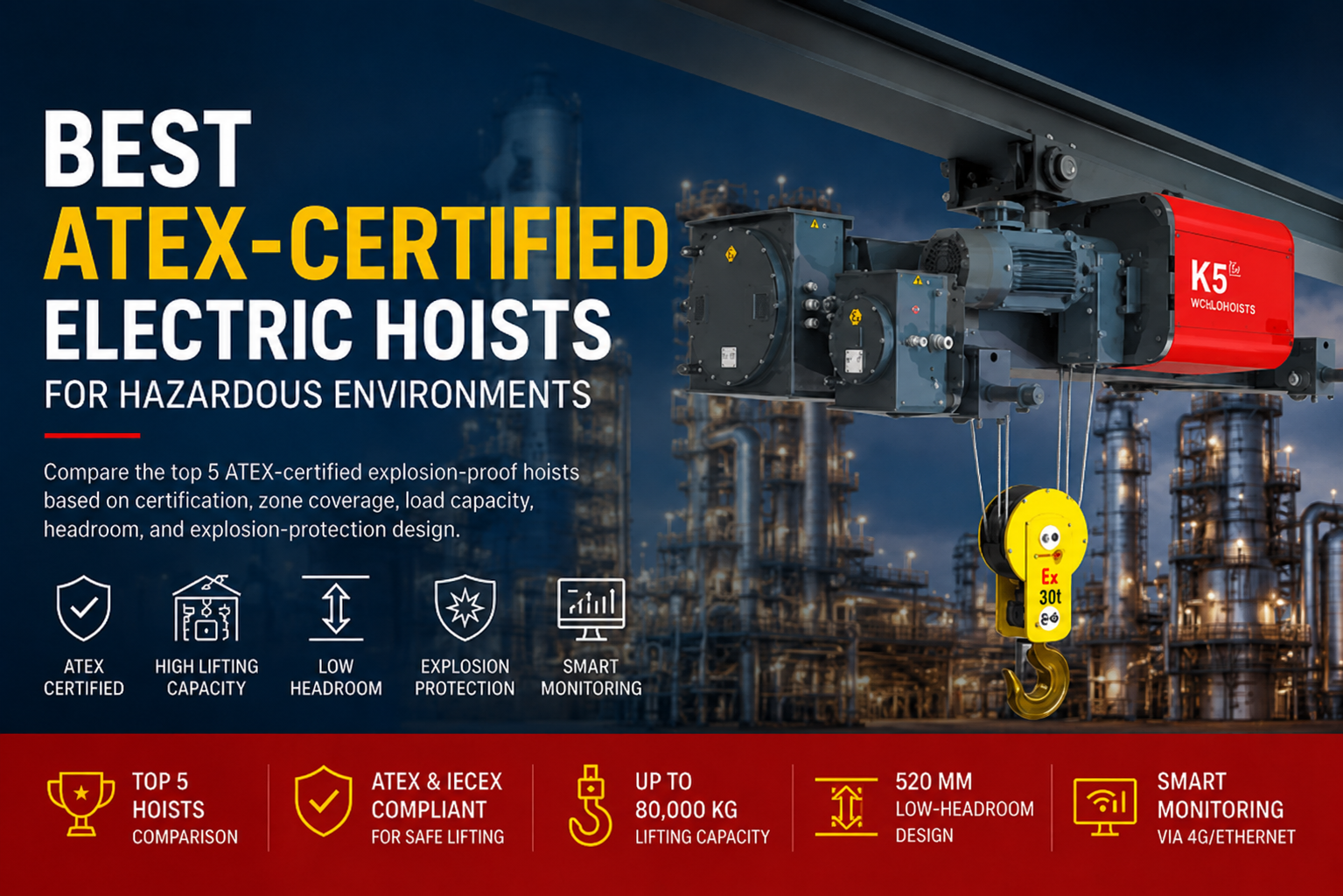
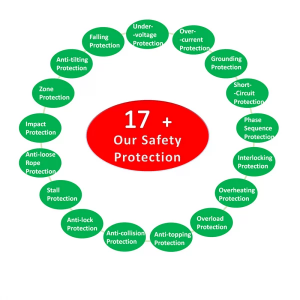
Maintaining safe operation in a busy workshop requires keeping close track of the physical condition of your lifting equipment. Our advanced safety monitor offers real-time recording of crane operating conditions to protect your crew and prolong equipment life. This smart system calculates the Remaining Safe Working Period (SWP%) of the hoisting mechanism, helping users plan repairs in advance.
The monitor also tracks total hoisting operating hours, total overload incidents, and the start frequency of the hoisting motor. To prevent physical damage, the system includes automated motor overheating protection and a real-time brake pad thickness alert. Users can access this valuable diagnostic data remotely through stable Ethernet or 4G connections.
Implementing Agile Transport Solutions
VFD Speed Adjustment: Utilizing variable frequency drives allows for smooth speed transitions, preventing load sway during transit.
Ergonomic Push Handles: Providing comfortable, natural grip points to help operators steer the suspended loads safely.
Using a highly efficient crane transport light loads setup allows factories to move assemblies between fabrication stations quickly. This rapid movement prevents material bottlenecks, keeping the overall production schedule predictable and organized. Selecting these agile setups helps facilities maintain high output rates while ensuring a safe, ergonomic work area.
Selecting Practical Systems for Industrial Use
Choosing a suitable small overhead crane solution requires a clear understanding of your daily cycle rates and floor layouts. Installing an overly heavy system increases your building installation expenses and makes manual load positioning more difficult. Matching the crane’s weight capacity to your actual production needs keeps your assembly bays fast, flexible, and cost-effective.
Our experienced technical team works with plant managers to evaluate their daily workflows and select the ideal structural setups. We help you integrate these low-capacity systems with your active workbenches to streamline the physical assembly path. This careful engineering ensures your workstation runs independently without disturbing neighboring production lines.
Conclusion
Optimizing your small-scale manufacturing line requires a smart combination of lightweight crane structures and responsive electronic monitors. Installing a reliable overhead crane under 2 tons capacity provides excellent workstation coverage while protecting your operators from physical strain.
At our company, we remain dedicated to delivering modular track kits and advanced safety monitors to support your facility goals. By matching your workspace layouts with a light capacity crane lifting setup or a custom small overhead crane solution, you can secure a safe, efficient, and highly productive operational future.