Operating a busy workstation with heavy manual loads can slowly drain your team’s energy and lead to physical fatigue over time. Implementing an ergonomic overhead lifting solution keeps materials moving effortlessly while protecting workers from the physical strain of daily production. Our team at World Hoist prioritizes designing localized work bays that adapt to the operator’s natural movement, boosting productivity on the floor.
Bulky, slow-moving industrial machinery can sometimes feel restrictive when workers are handling small, fast-paced components. Shifting to agile, lightweight bridges allows operators to transition parts between workstations with greatly reduced resistance. We focus on clarifying the physical dynamics of low-capacity lifting to help facilities select the safest and most practical systems.
Physical Limits of Workstation Weight Capacity
Handling solid components up to two tons requires a mechanical structure that balances physical rigidity with smooth, easy movement. Standard crane setups can feel heavy to push manually, which causes operator fatigue during high-frequency assembly tasks. Transitioning to a dedicated ergonomic crane lifting 2 tons capacity setup resolves this starting inertia, making manual pushing feel effortless.
Lifting within this specific weight range requires precise control over the load to prevent structural vibrations from shaking nearby assembly benches. If the crane structure is too heavy, the operator spends more energy moving the bridge itself than handling the actual payload. Proper engineering ensures that structural weight is minimized while retaining outstanding structural strength.
Minimizing Physical Strain in the Assembly Bay
Smooth Rolling Profiles: Lightweight aluminum or enclosed steel tracks allow the trolley wheels to slide with almost zero mechanical drag.
Articulating Jib Arms: Using rotating horizontal booms allows operators to reach around structural columns to grab parts easily.
Using dedicated workplace ergonomic lifting equipment ensures that your operators can manipulate parts without risking musculoskeletal strains. These specialized lifting stations keep the load balanced and steady, allowing for precise, one-handed placement. At World Hoist, we help facilities optimize these local workspaces to maintain high quality standards throughout long shifts.
Engineering Precise Low Capacity Machinery
Responsive Push Controls: Allowing operators to initiate lateral travel with minimal physical force, protecting sensitive shoulders from impact strain.
Low Headroom Profiles: Maximizing the vertical hook travel in low-ceiling workshops to allow for easy part clearance over active benches.
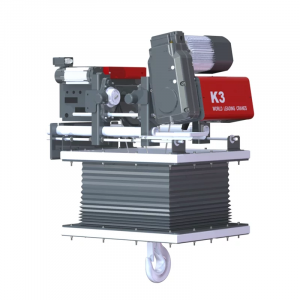
Mounting a responsive, compact ergonomic hoist under 2 ton capacities directly to a light workstation bridge ensures smooth vertical lift cycles. These lightweight hoist designs are optimized for rapid, repetitive cycles where larger hoists would overheat or run too slowly. Choosing these compact hoisting units improves safety and keeps your localized assembly lines moving predictably.
Selecting Durable Component Solutions
Operating continuous production shifts demands reliable, lightweight parts that can withstand constant use without requiring frequent maintenance. Upgrading essential crane components like high-strength wire ropes, wear-resistant synthetic rollers, and sealed bearings keeps your workstations running smoothly. Investing in high-durability parts avoids unexpected workstation shutdowns and reduces your ongoing repair costs.
High-Strength Synthetic Ropes: Offering quiet, smooth vertical travel that reduces structural noise levels on the assembly floor.
Polyurethane-Coated Wheels: Absorbing travel vibrations to keep lateral trolley movement quiet and prevent wear along the bridge tracks.
Selecting premium crane components ensures that the lifting equipment remains lightweight and easy to manipulate manually. Our engineering team provides fully compatible parts designed to help your workshop operate at peak efficiency.
Advanced Intelligent Safety Monitoring
To maintain high safety standards in busy industrial environments, we equip our lifting systems with smart, automated diagnostic tools. Our advanced Intelligent Safety System integrates multiple core monitoring functions to keep your equipment running reliably. This smart safety monitor features multi-layered protection mechanisms, covering everything from basic load tracking to advanced operational protection.
By integrating this intelligent monitor, facilities can achieve automated, real-time management of their active lifting setups. The system continuously tracks operational cycles, prevents sudden structural overloads, and monitors electrical parameters to avoid unexpected breakdowns. Providing these smart safeguards helps plant managers maintain safe, highly productive work environments.
Practical Planning for Flexible Work Zones
Modular Track Extensions: Adding physical track sections to your workstation layout as your production lines grow and expand.
Freestanding Support Structures: Installing self-supporting floor frames that do not place extra structural loads on your building roof.
Integrating a versatile ergonomic overhead lifting solution into your facility requires analyzing your average assembly speeds and workstation layouts. Over-specifying the crane’s capacity can make the system feel heavy and slow down your operators during rapid tasks. Selecting a hoist with a rated capacity of up to 2 tons helps improve workstation flexibility.
Conclusion
Creating a modern, worker-friendly production floor starts with selecting lifting systems that match the physical needs of your operators. Implementing a dedicated ergonomic crane lifting 2 tons capacity ensures your team can handle heavy assembly parts safely and comfortably.
Our team remains focused on delivering compact, high-efficiency crane kits and intelligent safety monitors to keep your workflows moving smoothly. By utilizing reliable workplace ergonomic lifting equipment and smart structural designs, businesses can secure a safe, comfortable, and highly productive operational future.