Optimizing workstation setups is highly important for modern industrial workshops focused on speed, efficiency, and worker health. Implementing a light duty overhead crane allows workers to easily move heavy parts, components, and tools without placing physical strain on their backs. At World Hoist, we prioritize helping assembly plants configure their localized work zones to improve safety and boost productivity.
Traditional large-scale overhead cranes are often too bulky for light assembly tasks, where speed and delicate handling are critical. Choosing a smaller, more nimble lifting configuration keeps these workstations agile and flexible. We focus on exploring how smart design choices in low-capacity handling can transform small-scale manufacturing workflows.
Understanding Small Scale Workplace Ergonomics
Repetitive physical movement involving manual lifting is a leading cause of worker fatigue and musculoskeletal injuries on factory floors. Designing a workspace for ergonomic light load lifting helps keep employees healthy and alert during long manufacturing shifts. These ergonomic lifting setups take the weight off the operator, allowing for smooth, effortless part placement.
Reducing physical exertion also helps companies maintain consistent assembly quality throughout the day. When operators do not have to struggle with heavy manual lifts, they can focus more closely on precision assembly tasks. Investing in lightweight, responsive lifting systems makes the entire facility floor a safer and more comfortable place to work.
Structural Features of Lightweight Systems
Low Starting Resistance: Lightweight aluminum or steel track profiles allow the trolley to slide with minimal physical pushing effort.
Compact Footprints: These systems fit easily into low-ceiling workshops without requiring massive building modifications.
Selecting a customizable small capacity crane lifting solution is ideal for workshops that handle lighter loads, such as small motors or sub-assemblies. These compact systems can be ceiling-mounted or free-standing, depending on the physical limitations of your facility. Our design team at World Hoist works to find the most efficient structural configurations for small workspaces.
Mechanical Components for Light Facilities
Choosing a compact, reliable hoisting unit is crucial to maintaining speed and precise control over light-duty assembly lines. Mounting a durable lightweight hoist for industrial use on a flexible workstation crane provides smooth vertical travel and easy positioning. These light-duty units are engineered for high-frequency cycles, keeping the pace of your line moving steadily.
High-Strength Wire Ropes: Providing long-term durability and resistance to wear, even during continuous daily operations.
Low-Inertia Trolleys: Allowing operators to stop and start lateral movement with very little physical force, avoiding load sway.
Using premium crane components in your light-duty systems prevents unexpected mechanical failures and keeps maintenance costs low. We supply high-quality parts that work together seamlessly, maintaining high safety standards across your plant floor.
Smart Features for Precision Material Handling
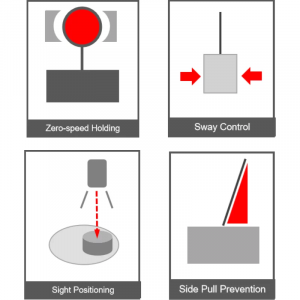
Modern lifting equipment uses intelligent, automated features to make daily operations much smoother and safer. Implementing electronic Sway Control prevents the load from swinging like a pendulum, making ergonomic light load lifting highly precise. This automatic stability control allows operators to move parts confidently near expensive machinery without risking accidental impacts.
Our smart systems include side-pull protection that helps prevent lifting when excessive rope deviation is detected. This safety feature, along with Shock Load Prevention, protects sensitive crane components from sudden, damaging tension spikes. Advanced controllers also utilize Inching and Micro Speed Control, allowing operators to make tiny millimeter-level adjustments during final assembly.
Protecting Workspaces with Automated Safeguards
Zone Protection: Programming virtual boundaries prevents the hoist from entering designated hazardous areas or striking nearby building columns.
Fault Self-Diagnosis: Smart sensors monitor motor temperature, brake wear, and electrical currents, sending warnings before a failure occurs.
Utilizing a smart light duty overhead crane setup provides outstanding protection for your operators, your materials, and your facility. These electronic safety barriers reduce the risk of accidental damage, helping plants maintain high productivity. Operators can also monitor the status of their equipment in real-time using our remote monitoring app, My Crane.
Project Planning and Integration Tips
Selecting a small capacity crane lifting solution requires analyzing your plant’s daily cycle rates and average payload weights. Over-specifying your lifting equipment leads to unnecessary capital costs and a bulky system that is harder for operators to move. Matching the crane capacity to your actual production needs ensures your workstation remains fast, light, and agile.
Our experienced technical team helps facilities design custom layouts that integrate seamlessly with existing work benches and conveyors. We help you choose the right lightweight hoist for industrial use to keep your workstations operating independently. This personalized planning prevents production bottlenecks and keeps your materials moving smoothly from assembly to packaging.
Conclusion
Creating an ergonomic, high-performance workspace starts with selecting the right lifting equipment for your lighter production loads. Utilizing lightweight bridge tracks and responsive, compact hoists protects your workforce while improving daily manufacturing throughput.
At our company, we are dedicated to providing smart, adaptable crane packages to help global facilities achieve their goals. By focusing on ergonomic layout designs and utilizing smart safety features, businesses can secure a highly productive, comfortable, and efficient operational future.