Finding a sudden fault in an industrial power system can instantly halt a busy production line. Performing systematic 3-phase AC motor troubleshooting crane operations helps electrical technicians isolate motor winding faults before they cause permanent damage. Our team at World Hoist prioritizes sharing field-tested diagnostic methods to keep factory machinery running reliably without unexpected electrical failures or costly production delays.
Analyzing how voltage fluctuations and thermal stresses affect heavy-duty machinery prevents minor component wear from turning into complete motor burnouts. Electrical systems require balanced power and clean signals to drive the heavy bridges and hoists safely. We focus on clarifying these physical and electrical dynamics for maintenance crews worldwide.
Identifying Electrical Phase Imbalances
Voltage unbalance in a three-phase system creates reverse rotational torque, which generates excessive heat within the motor windings. This thermal buildup degrades the internal wire insulation and can trigger early thermal trips. Technicians should measure the voltage across all three lines to isolate supply issues from internal winding damage during crane motor troubleshooting routines.
Even a tiny voltage imbalance of two percent can cause a major temperature rise in the stator. Monitoring the current draw on each leg helps determine if the issue stems from the incoming power grid or a failing contactor. Correcting these imbalances protects the electrical system from severe long-term deterioration.
Diagnosing Thermal Overloads and Insulation Breakdown
Heavy lifting cycles generate intense heat that slowly breaks down the protective varnish on copper winding coils. When this insulation fails, short circuits occur between the turns, leading to localized hot spots and motor failure. Initiating a detailed hoist motor fault diagnosis helps technicians measure insulation resistance using a megohmmeter to catch these invisible faults early.
If the megohm readings drop below standard engineering limits, the stator winding must be baked, re-varnished, or completely rewound. Keeping the motor clean and free of oil mist prevents these physical contaminants from eating away at the protective insulation. Taking these preventive steps prevents sudden motor burnouts during critical heavy-duty lifting tasks.
Analyzing Mechanical Resistance and Gear Friction
Electrical symptoms often stem from mechanical binds within the connected gearboxes rather than the motor itself. When a brake fails to release fully or a bearing seizes, the motor draws excessive current trying to turn the shafts. Addressing an apparent overhead crane motor problem requires uncoupling the motor to verify that the mechanical drive turns freely.
Checking the gear lubrication levels prevents metal-on-metal friction from placing an extra mechanical load on the drive. If the drive shaft binds, the motor will draw starting current indefinitely, causing the thermal overloads to trip within seconds. Keeping the mechanical linkages smooth protects the electrical drive from constant overload stress.
Advanced Diagnostic Methods for Stator Windings
Specialized testing tools allow technicians to evaluate the internal health of a motor without disassembling the entire housing. Using surge testers and winding analyzers helps locate turn-to-turn short circuits that standard multimeters fail to detect. Relying on these advanced diagnostics makes hoist motor fault diagnosis highly precise and prevents unnecessary component replacements.
Checking the resistance balance across all three winding phases confirms whether the internal coils are wearing out evenly. If one phase exhibits significantly lower resistance, it indicates a localized short that requires immediate professional repair. Utilizing these diagnostic steps helps maintain stable production schedules over decades of operations.
Integrating High-Quality Drive Systems
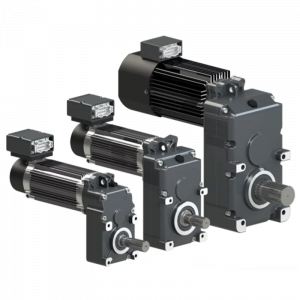
Upgrading to modular, high-performance travel drives reduces the overall complexity of physical maintenance on the crane bridge. Our customizable gearmotor configurations at World Hoist are engineered to offer flexible compatibility with various industrial crane models. These modular units simplify on-site installation while providing robust mechanical drive power for high-intensity lifting applications.
All our traveling drives utilize variable frequency speed control to smooth out starting vibrations and minimize mechanical strain. Featuring a heavy-duty design with a sixty percent ED duty cycle, each integrated gearmotor handles rapid, repetitive production cycles without overheating. Selecting robust, pre-tested drives keeps your travel systems performing reliably under challenging conditions.
Preventing Operational Motor Stalls
System sudden shutdowns during transport cycles often point to an underlying electrical control issue or loose terminal connections. Vibration from daily travel can back terminal screws out, creating high-resistance connections that drop supply voltage. Conducting a thorough 3-phase AC motor troubleshooting crane assessment helps pinpoint these simple wiring faults before they trigger safety shutdowns.
Checking the contactor points for pitting or oxidation prevents single-phasing events, which can destroy three-phase motors in minutes. When one line fails to connect, the motor struggles to run on the remaining two phases, drawing high currents. Inspecting the control panels regularly keeps your power delivery clean and balanced.
Conclusion
Resolving complex electrical faults systematically prevents minor wiring issues from turning into major structural failures. Following a clear crane motor troubleshooting protocol ensures that your maintenance team can locate and fix faults quickly. By keeping motor windings cool and voltage balanced, facilities can prevent a severe overhead crane motor problem from halting daily manufacturing workflows.
Maintaining balanced three-phase power and choosing durable, modular drives keeps your factory floor working safely. Our team remains dedicated to providing high-reliability drives and clear technical guidance to support your long-term operational goals. Committing to systematic diagnostic routines protects your capital machinery investments and supports steady production efficiency for years to come.