Selecting the correct lateral movement mechanism is just as critical as choosing the main lifting unit when designing an efficient overhead material handling setup. Operators often struggle with unexpected movement resistance if the carriage driving along the bridge beam is poorly suited to the facility’s daily workflow. Making an informed crane trolley selection during the early planning stages prevents premature wheel wear and avoids unnecessary operational bottlenecks on the factory floor.
Physical weight capacities and cycle frequencies determine whether a manual push system or a motorized drive is more appropriate. Our team at World Hoist observes how different configurations perform in real-world workshop environments to help you choose the best mechanical path. By examining how different systems move, businesses can optimize their production layout, improve safety, and keep their workflows moving steadily.
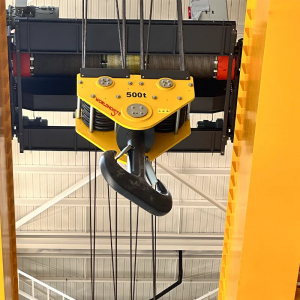
Physical Dynamics of Lateral Travel
Traveling along a horizontal bridge beam requires overcoming starting inertia and physical friction between the steel wheels and the girder flange. A manual trolley relies entirely on the physical effort of an operator pushing the suspended load or pulling a hand chain. This manual movement works well for light-duty tasks but becomes physically demanding and slow when transferring heavy loads over long distances.
Motorized systems, on the other hand, utilize electric drive motors connected directly to the trolley wheels to achieve consistent travel speeds. This motorized travel provides precise control over acceleration and braking, preventing the load from swinging dangerously during transport. Analyzing these physical forces is the first step toward building a balanced, safe material handling system.
Performance Characteristics of Manual Carriages
Push/Pull Trolleys: These simple devices move along the beam as the operator physically pushes the suspended cargo. They are ideal for quick, light maintenance tasks where precision and speed are not the primary focus.
Geared Trolleys: Operating via a continuous hand chain, these units turn a set of gears that drive the trolley wheels. The mechanical advantage allows operators to move heavier loads with less physical effort.
Using manual carriages is highly cost-effective for workspaces that only require occasional lifting operations throughout the week. These units have very few moving parts, which naturally reduces ongoing maintenance needs and keeps operational costs low. Our engineering team at World Hoist recommends manual options for standby applications or tight spaces where running electrical lines is impractical.
Motorized Traversing and Load Control
Variable Speed Drives: Modern electric carriages utilize frequency inverters to provide smooth acceleration and deceleration curves. This electronic control prevents sudden jerks that could cause the load to slip from the rigging.
Integrated Braking Systems: Electromagnetic brakes stop the trolley instantly when the operator releases the pendant button. This reliable holding power prevents the carriage from drifting along the beam due to runway misalignments.
Installing a dedicated electric trolley for overhead crane systems allows operators to handle large materials safely from a comfortable distance. These motorized units reduce physical strain on your crew, creating a much safer and more comfortable work environment. We design these electric carriages to handle continuous, high-volume production cycles without overheating or losing torque.
Selecting the Right Carriage Framework
Deciding between a manual trolley vs electric trolley setup depends heavily on the average weight of the materials you move daily. If your facility routinely handles loads over three tons, manual pushing becomes unsafe and highly inefficient for your operators. Utilizing motorized drives for heavier capacities keeps your team safe and ensures your plant remains compliant with regional labor laws.
The travel distance along the bridge beam also plays a major role in your mechanical decision-making process. For long runways spanning over fifty feet, a manual carriage slows down production and tires out your staff quickly. Comparing a manual trolley vs electric trolley helps facility managers choose the most practical mechanism for their specific layout.
Match Hoisting Units with Carriage Designs
The overall efficiency of your traveling system depends on how well the hoist integrates with your chosen trolley type. Mounting a heavy-duty wire rope hoist to an electric carriage ensures that both vertical lifting and horizontal travel are fully motorized. This configuration delivers seamless, push-button control over the entire material handling process from a single remote control.
Standard manual trolleys are usually paired with light chain hoists for basic, low-frequency utility work. In contrast, heavy-duty industrial applications rely on a robust wire rope hoist to handle intense workloads and long lift heights. At World Hoist, we help our partners match these hoisting and traversing components to ensure reliable, long-term system compatibility.
Specialized Designs for Hazardous Workspaces
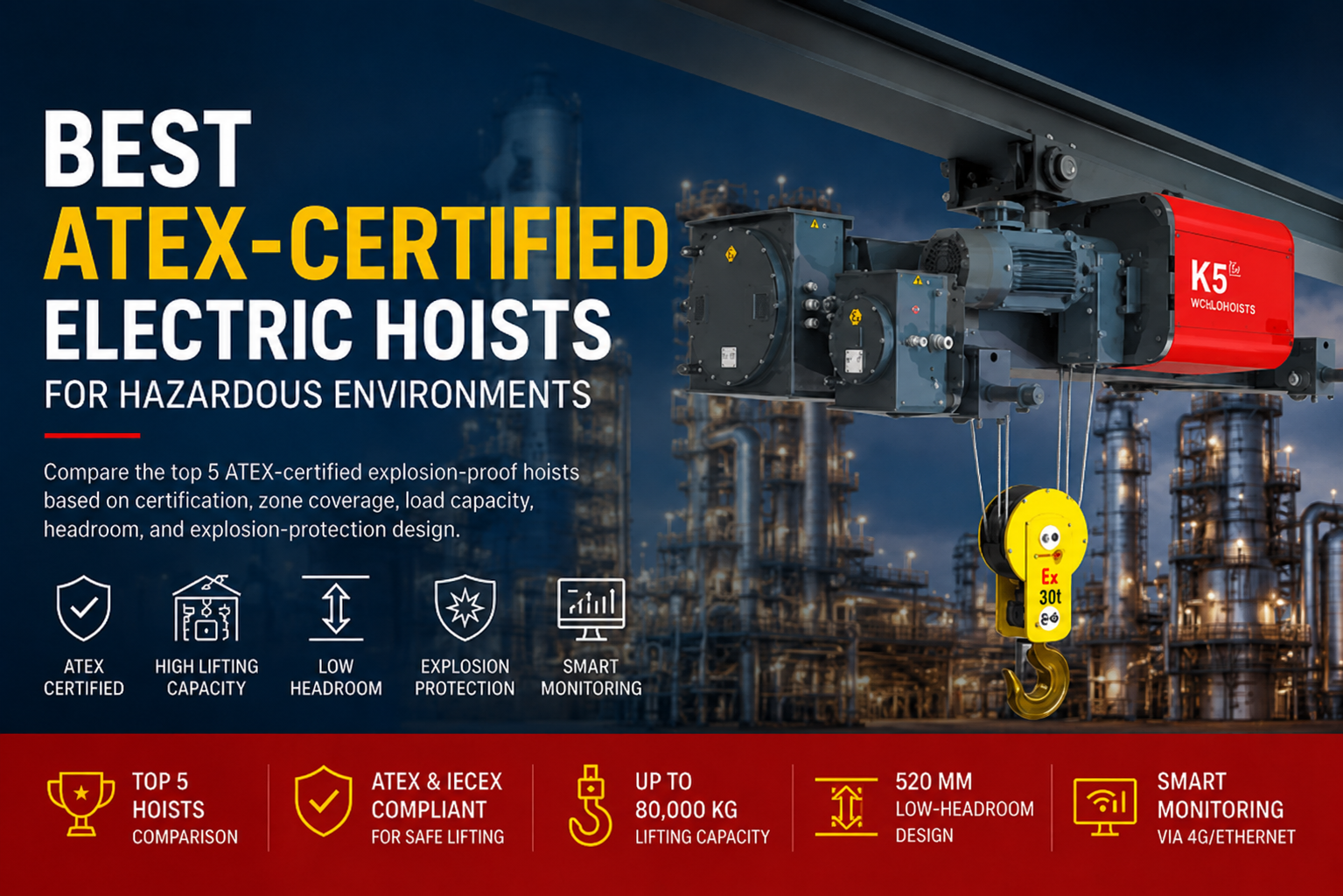
Industrial environments like chemical plants, oil refineries, and paint booths expose machinery to volatile gases and flammable dust. Standard electrical components can create tiny friction sparks or electrical arcs that risk triggering an explosion in these areas. Utilizing a specialized Explosion Proof Hoist ensures complete safety by sealing all electrical contacts and using spark-resistant bronze wheels.
Our hazardous-duty units are certified to Ex dIIBT4 and Ex deIICT4 standards to operate safely in Zone 1 and Zone 2 explosive atmospheres. These systems feature flameproof enclosures and specialized motor designs to prevent thermal ignition in dangerous work zones. Maintaining these sealed assemblies properly protects your team and your facility from major industrial hazards.
Architectural and Girder Profile Integration
S-Beams (Standard I-Beams): These beams feature tapered flanges that require trolley wheels with a matching crown radius to distribute weight evenly.
W-Beams (Wide Flange Beams): These beams have flat flanges, requiring flat-tread wheels to prevent localized stress concentration along the beam edges.
Identifying your specific overhead crane trolley type is essential to ensure the wheels match the physical profile of your bridge beam. Using incompatible wheels causes rapid wear on both the trolley and the girder, which can lead to expensive track replacements. Our technical support team assists clients in identifying their overhead crane trolley type to prevent these physical alignment issues.
Conclusion
Building a productive material handling setup requires selecting components that match your daily load requirements and travel distances. Making a precise crane trolley selection ensures your operators can move heavy materials smoothly without experiencing physical strain or mechanical resistance.
At World Hoist, we focus on delivering reliable hoist kits and compatible traversing mechanisms to keep your facility running efficiently. By understanding the differences between a manual drive and an electric trolley for overhead crane systems, you can secure a highly productive, safe, and cost-effective operational layout.