Engineering standards dictate how structural steel handles repetitive stresses over long-term industrial operations. Heavy lifting equipment does not last forever, as microscopic changes in the metal accumulate under every payload. Conducting a systematic crane design life analysis helps prevent sudden structural breakdowns. Our team at World Hoist prioritizes engineering clarity to help facilities run secure, long-term operations without facing early structural degradation or unsafe lifting conditions.
Determining the actual operational window of industrial machinery involves evaluating historical load cycles and stress distributions. This engineering process assesses how much fatigue the girder and runways have endured during their years of active factory service. Estimating this timeline protects capital investments from premature obsolescence and compliance risks. We focus on clarifying these life cycle stages for our partners worldwide.
Understanding Structural Stress and Fatigue
Metal fatigue is a gradual degradation process where microscopic cracks grow slowly under repetitive cyclic loading. Every single lift subjects the girder to tiny physical deflections, which slowly weaken the molecular structure of the steel over time. Understanding crane fatigue life allows engineering teams to identify exactly when these microscopic defects might turn into significant structural issues on the factory floor.
These invisible molecular changes mean that even light loads can eventually cause a sudden failure if the crane has completed millions of cycles. Engineers classify these cycles based on international standards to determine overall structural durability. Recognizing these long-term fatigue characteristics is the foundation of proactive workspace management. We assist teams in translating these cycle ratings into practical maintenance intervals.
Mathematical Modeling of Lifting Operations
Estimating how many years a system can run safely requires a detailed overhead crane lifespan calculation. This mathematical formula combines the total operating hours with the average load spectrum factor of the machinery. Performing this calculation gives facility managers a realistic view of how long their heavy girders can remain in active service without needing expensive structural repairs.
When we perform an overhead crane lifespan calculation, we convert raw crane cycle numbers into clear engineering estimates. Our technical experts at World Hoist use these advanced calculations to match machinery classifications to actual operational intensities. This mathematical approach replaces subjective guesswork with hard structural science, giving operators clear insights into the limits of their heavy machinery.
Assessing Key Physical Stress Zones
Certain areas of a lifting system experience significantly higher physical stress levels than others. The weld connections between the bridge girders and the end trucks are particularly vulnerable to cyclic fatigue. Regular, systematic inspections of these highly loaded crane components prevent microscopic cracks from spreading across critical structural joints and causing sudden failures.
Wheel assemblies and heavy gearboxes also experience constant friction and load variations during cross-travel operations. Monitoring these wear points ensures that the structural frame does not experience unexpected alignment problems. Keeping these physical stress zones in check preserves the entire system framework, reducing the risk of structural twisting over decades of heavy service.
Environmental Impacts on Structural Health
Volatile chemical atmospheres, extreme humidity, and high temperatures accelerate the degradation of steel structures. Rust and oxidation weaken the metal, which rapidly shortens the calculated crane fatigue life of the system. Industrial facilities must adjust their engineering life models when heavy machinery works under these harsh, corrosive physical conditions.
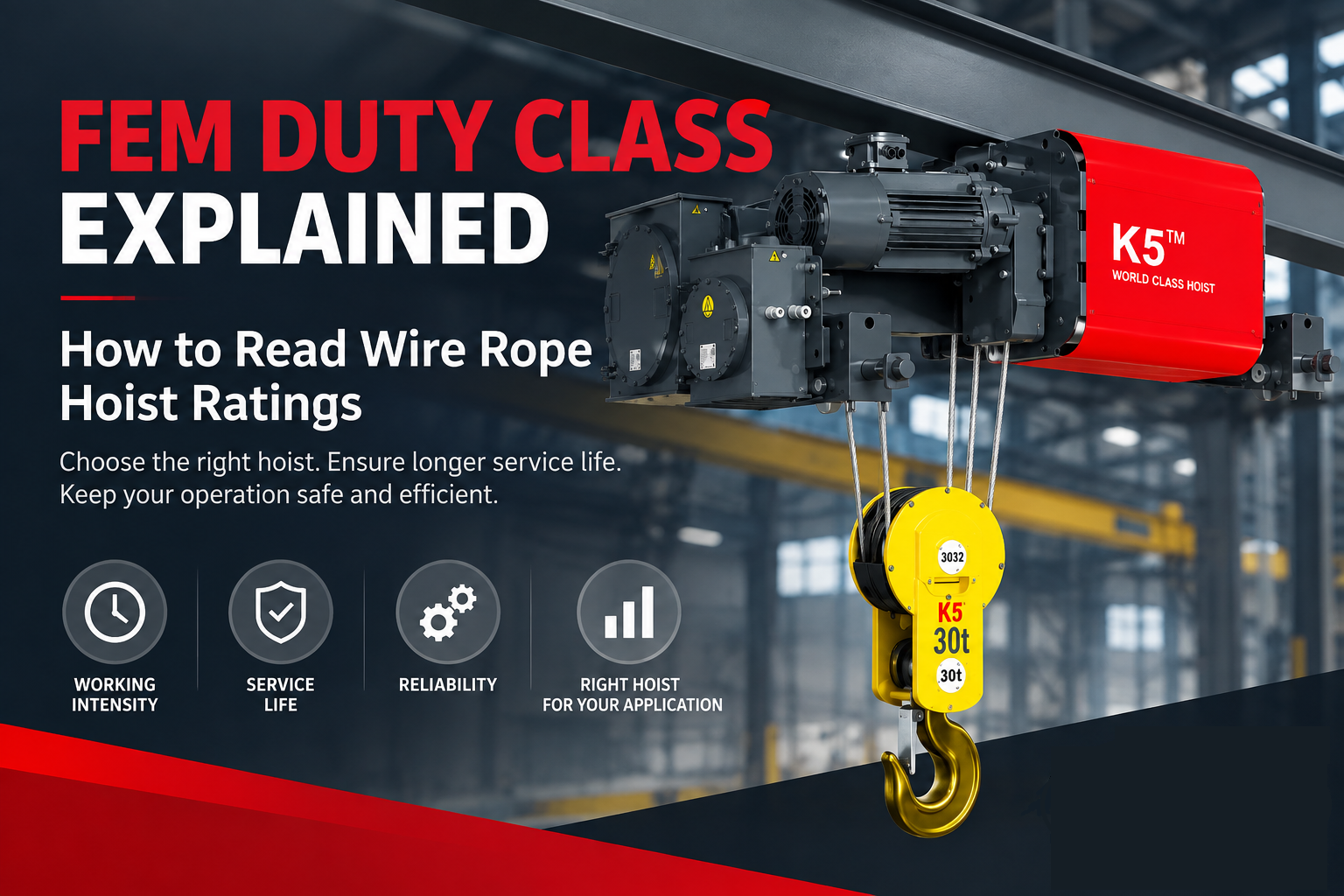
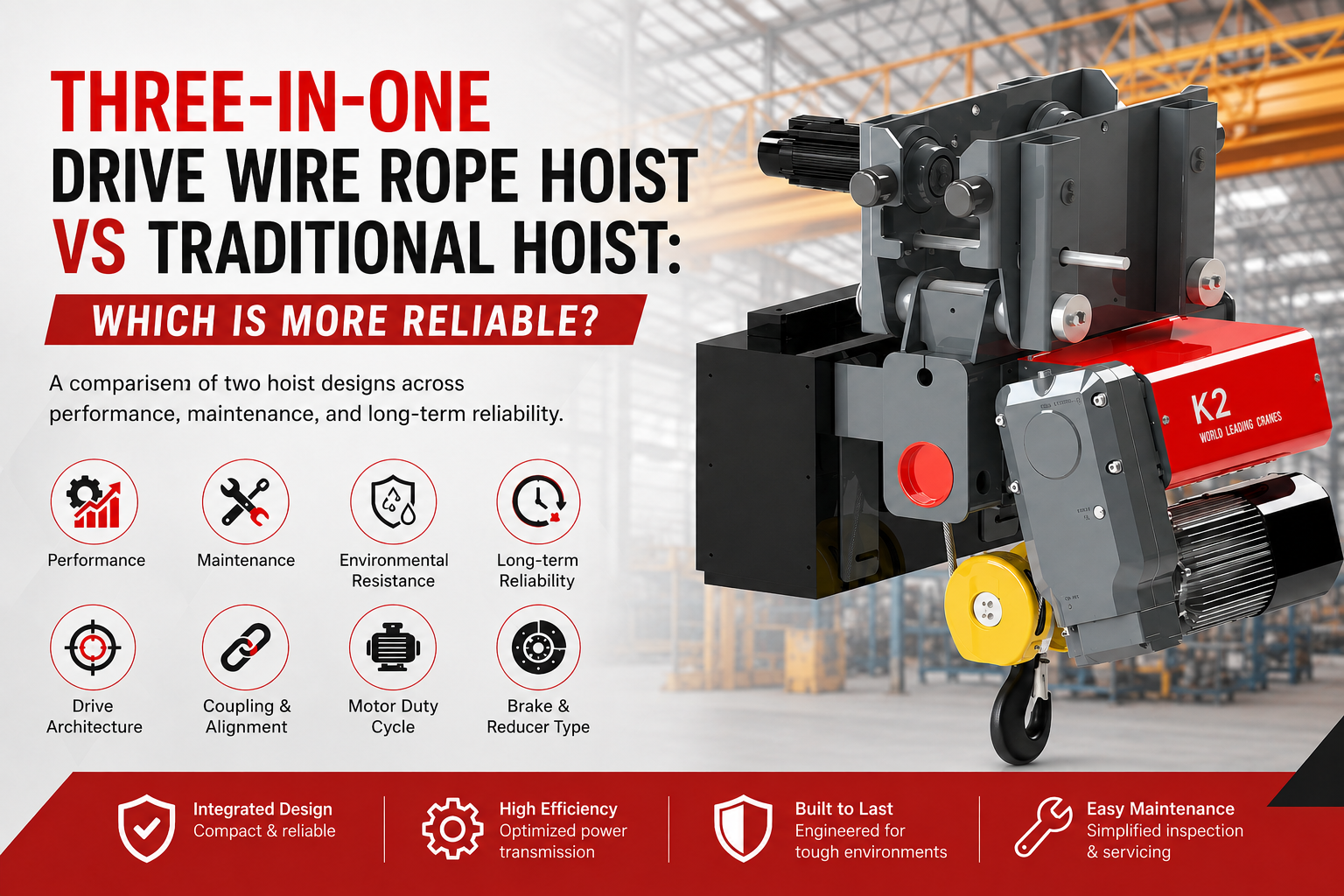
To protect sensitive machinery in demanding spaces, we utilize specialized designs. For instance, our K Series wire rope hoist features a compact low headroom build that resists demanding indoor workloads. Matching the physical hoist design to the environment protects the main structural steel from unnecessary strain, helping the equipment last longer in hazardous workspaces.
Role of Modular Crane Components in Longevity
Utilizing modular parts simplifies the process of replacing worn machinery without scrapping the entire bridge structure. High-quality crane components are designed to handle repetitive vibrations without transferring excess stress to the main crane girders. This high level of modular compatibility minimizes the mechanical wear that naturally shortens structural life cycles over time.
Using robust crane components also lowers the lateral forces applied to the runway tracks. Our modular K Series helps minimize runway stress while offering versatile lifting capacities up to eighty tons. Replacing old mechanical assemblies with modern, efficient hoists breathes new life into existing structural frames, saving significant capital for facilities.
Estimating Future Operations and Inspections
Tracking the operational history of your equipment allows engineers to determine the crane remaining service life accurately. This objective assessment helps companies plan budgets for future equipment replacements or complete system modernizations well in advance. Having a clear timeline prevents sudden, expensive emergency shutdowns and keeps productivity targets on schedule.
These advanced non-destructive testing methods help confirm the actual crane remaining service life of old steel structures. Techniques like ultrasonic testing inspect critical structural welds without damaging the steel itself. Utilizing these modern diagnostics keeps your operational estimates perfectly aligned with the physical reality of your workshop machinery.
Conclusion
Conducting a systematic crane design life analysis remains the most effective method for securing long-term industrial productivity. Knowing your specific overhead crane lifespan calculation variables keeps operations moving safely and reliably. At World Hoist, we focus on providing durable parts and precise technical calculations to support global industries, keeping your lifting configurations compliant with rigorous safety regulations.
Tracking the crane fatigue life of your machinery preserves the integrity of your entire facility layout. Determining the exact crane remaining service life of your equipment prevents sudden failures and keeps operations compliant with global industrial safety standards. Partnering with structural experts to assess your lifting systems helps establish a secure, highly efficient environment for all operators.