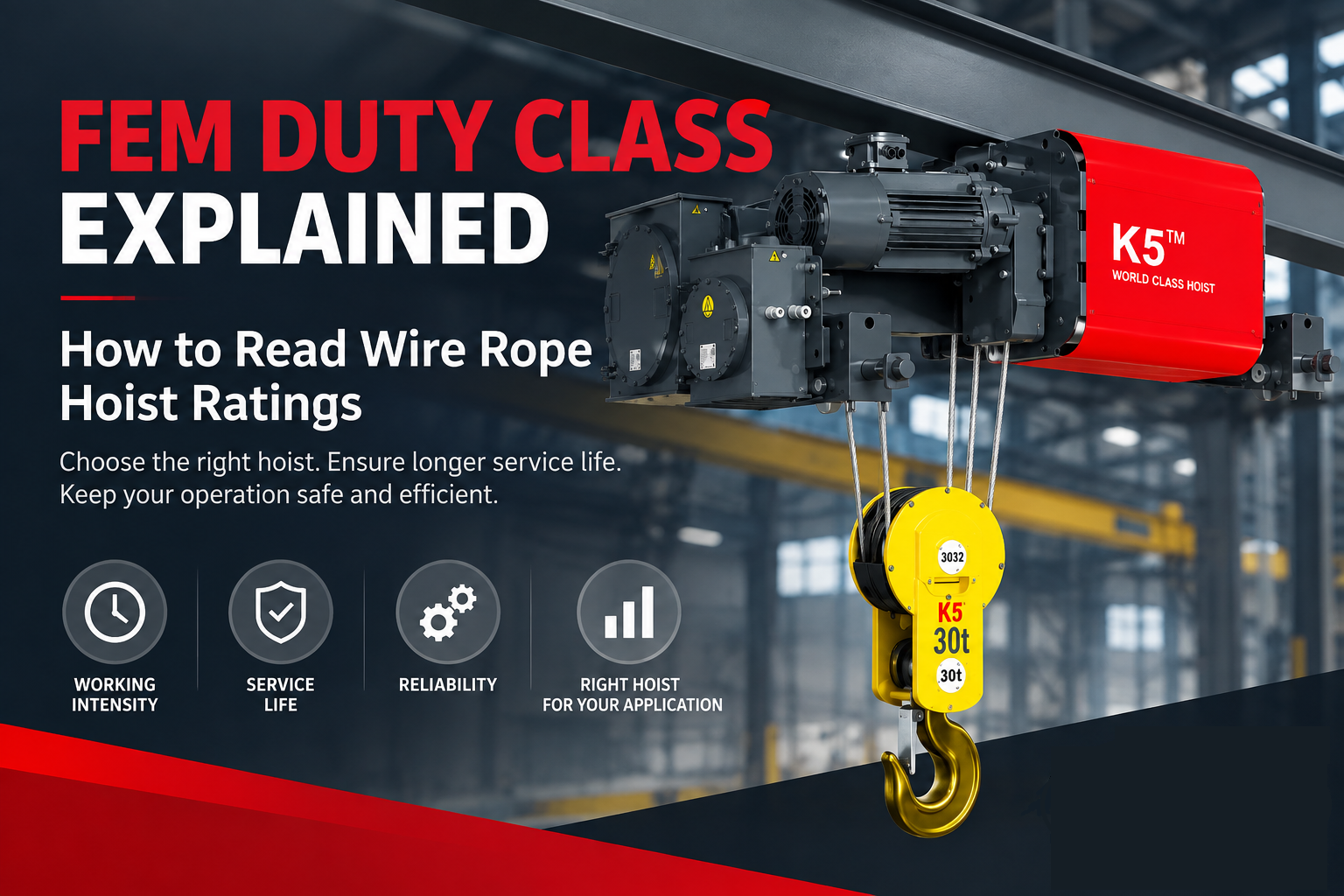
Selecting mechanical equipment for an industrial facility requires matching the structural strength of the machinery to the actual physical demands of daily production. Lifting a maximum capacity load once a day places very different physical stresses on structural steel than lifting lighter loads continuously every few minutes. Understanding crane duty classifications helps engineers specify systems that will perform reliably without premature mechanical fatigue.
Choosing the incorrect classification can lead to accelerated motor wear, structural cracking, and unexpected operational downtime. Our engineering team at World Hoist works with partners to analyze facility duty cycles before finalizing any equipment layouts. Balancing operational intensity with the correct engineering class keeps material handling lines running smoothly and cost-effectively year after year.
Defining the Operational Stress Spectrum
The international overhead crane classification standard groups material handling systems based on two main variables: average load intensity and frequency of use. Systems that carry light loads with frequent idle periods require different engineering parameters than those performing continuous, maximum-capacity lifts. Categorizing these parameters helps designers avoid under-specifying critical structural steel.
Analyzing these patterns prevents early wear on mechanical parts like bearings, wheels, and drive gears. A crane rated for occasional light service will quickly fail if forced to run continuous shifts in a steel mill. Correctly classifying these patterns protects the capital investment of the facility over decades of continuous use.
Deciphering Engineering Classifications
A standardized crane duty class system categorizes equipment from light standby service to continuous severe duty. Standard classifications range from Class A, designed for infrequent maintenance lifting, up to Class F, engineered for continuous, extreme-load operations. Identifying the correct letter classification ensures the structural girders can handle the repetitive stresses of the job.
Class A & B (Standby/Light Service): Designed for power stations or motor rooms where precise, infrequent lifts are the norm.
Class C & D (Moderate/Heavy Service): Engineered for general machine shops and warehouses with steady, predictable material movement.
Selecting the right crane duty class prevents premature structural fatigue in the main girder connections. It also helps facility managers purchase machinery that matches their actual operational pace without overspending on unnecessary structural reinforcements. Our team assists clients in determining these classes to maintain balanced, safe production environments.
Mechanics of Hoist Duty Cycles
Evaluating motor temperature limits during continuous lifting is crucial for maintaining electrical system health. The specific hoist duty cycle defines the ratio of operating time to rest time within a given period, preventing motor overheating. This rating determines how long a hoisting motor can run under full load before requiring a cooling phase.
Intermittent Duty: Systems designed to run for short bursts, allowing heat to dissipate from the motor windings during standby periods.
Continuous Duty: Heavily insulated motors engineered to operate through long, uninterrupted production shifts without thermal degradation.
An incorrect hoist duty cycle rating can lead to early motor insulation breakdown or sudden thermal shutdown during critical operations. Matching motor insulation classes to actual plant temperatures keeps lifting lines performing predictably. We focus on matching these cycle ratings to the unique physical demands of our global partners.
Calculating Crane Operating Lifespans
Load Spectrum Analysis: Assessing the distribution of different load weights lifted by the machinery during its daily operations.
Total Operating Hours: Projecting the cumulative run time of the crane over its intended multi-decade operational lifetime.
Determining the appropriate crane duty cycle classification involves calculating how these variables interact over several years of service. This planning stage prevents structural fatigue from weakening the bridge structure before its intended design life ends. Utilizing these engineering metrics replaces subjective guesswork with hard, practical structural science.
Our technical support team at World Hoist provides precise structural calculations to simplify the equipment selection process for engineering teams. Understanding your specific crane duty cycle classification profile allows you to select durable components that easily withstand your facility’s daily physical demands.
Selecting Compatible Hoisting Equipment
Selecting the right wire rope hoist depends heavily on matching its mechanical design to the overall class of the crane. Standard hoists may struggle with high heat and continuous heavy lifting, while heavy-duty models are built specifically for tough environments. Using a hoist that matches your operational class protects the system from premature component failures.
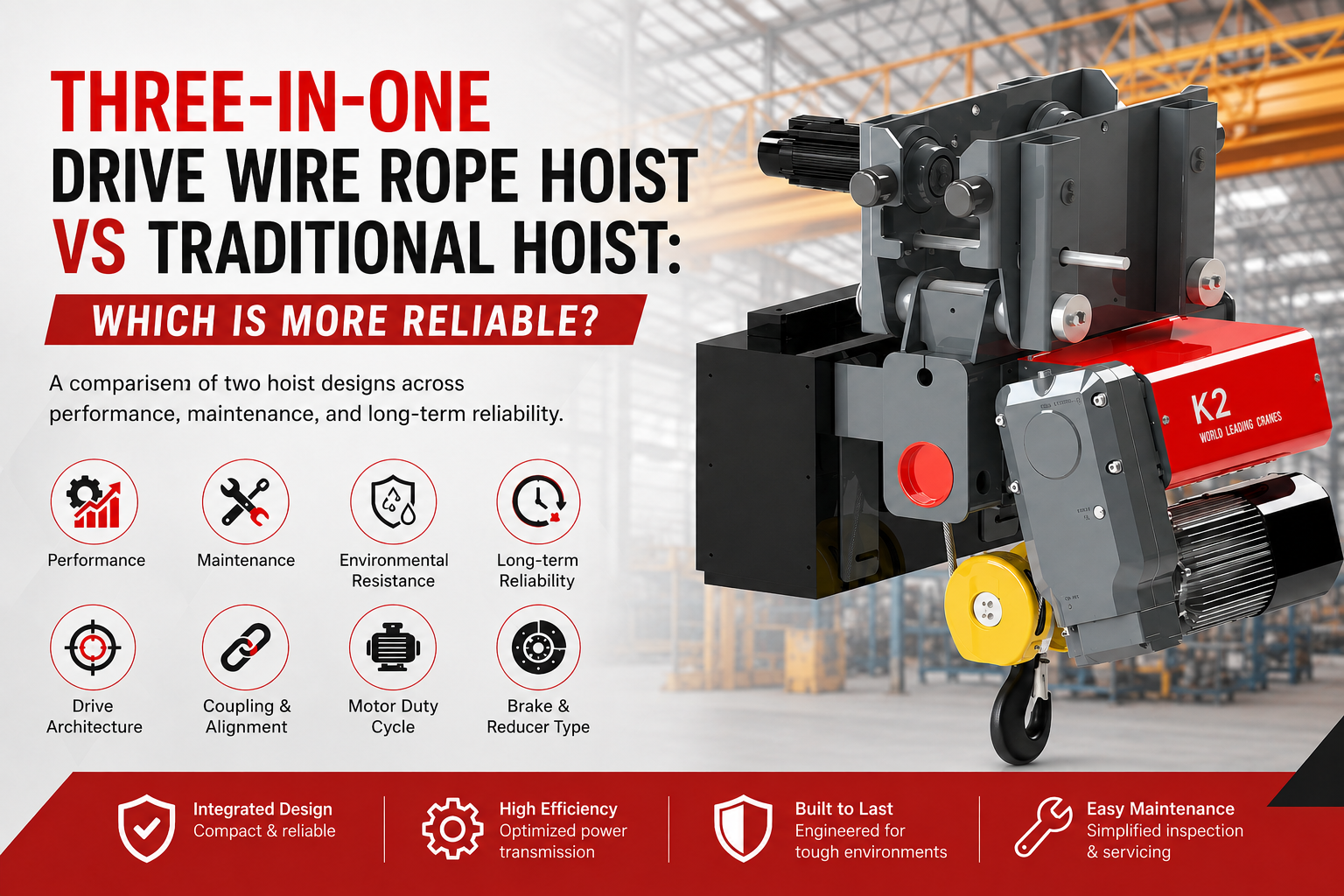
Our compact electric hoists are designed with a low headroom structure and a lightweight hardened gear reducer. This efficient design maximizes vertical lifting heights while delivering excellent energy transmission. Integrating our heavy-duty wire rope hoist units into your workshop upgrades protects your machinery from the thermal wear caused by intense production cycles.
Adjusting for Demanding Industrial Environments
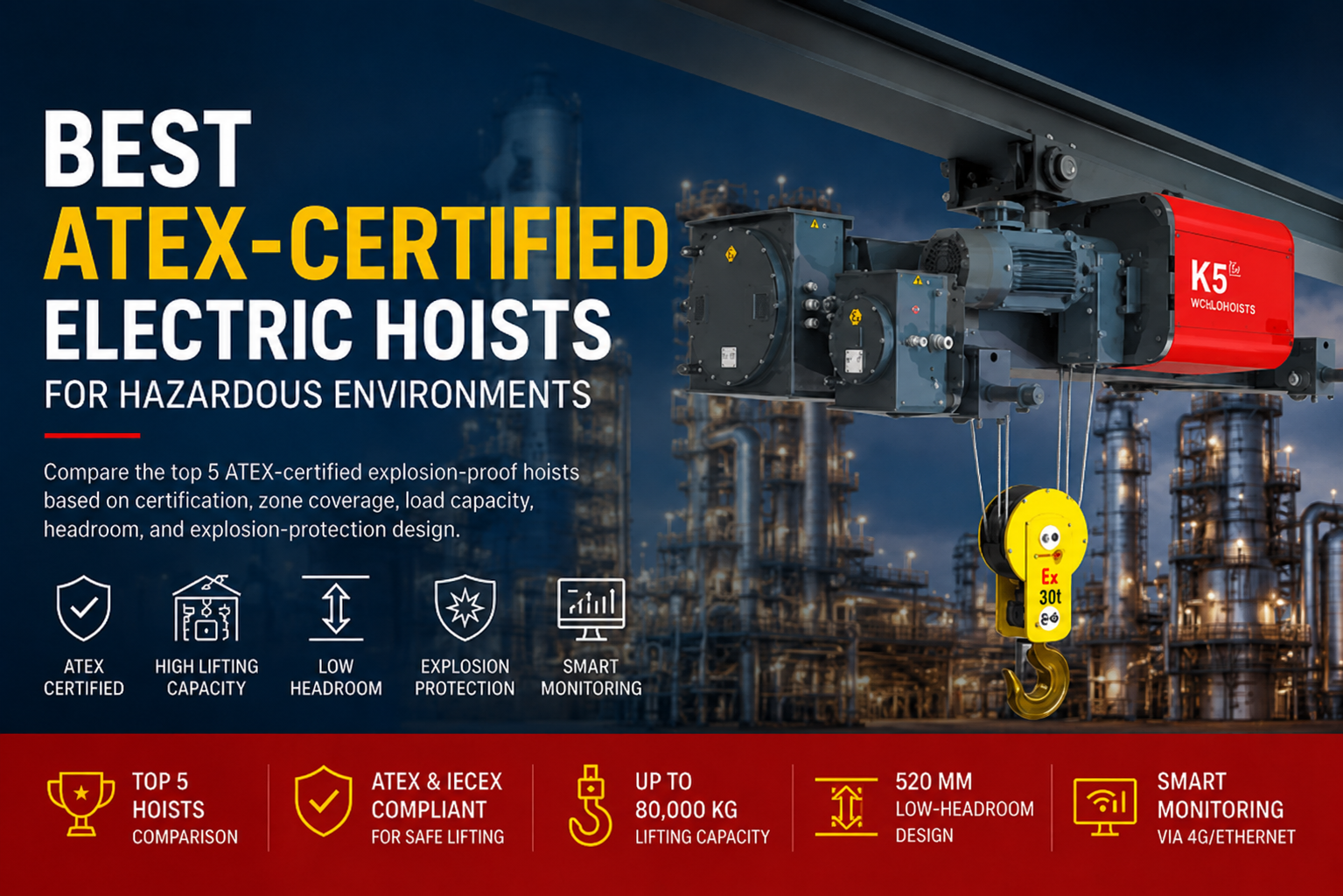
Heavy-duty industrial applications require specialized material treatments to handle extreme heat, high dust, or corrosive chemical vapors. Foundries and waste-handling plants subject their lifting machinery to continuous, severe-duty environments that accelerate physical wear. Specifying robust, high-performance components keeps operations running safely under these demanding daily conditions.
Upgrading to high-temperature lubricants and specialized motor enclosures prevents environmental contaminants from entering the drive mechanisms. Protecting sensitive electronic components with thermal shields prevents heat-related failures during continuous metal-pouring operations. Choosing robust materials keeps your critical lifting systems compliant with international safety standards over long service lives.
Conclusion
Laying a safe foundation for material handling operations requires matching your equipment ratings to actual production demands. Following the appropriate overhead crane classification standard prevents early mechanical wear and protects your workforce from hazardous failures. Our team focuses on delivering modular, highly compatible components to streamline your facility layout planning. By defining the right crane duty class and matching it to a reliable hoist duty cycle, businesses can secure a highly productive, cost-effective operational future.